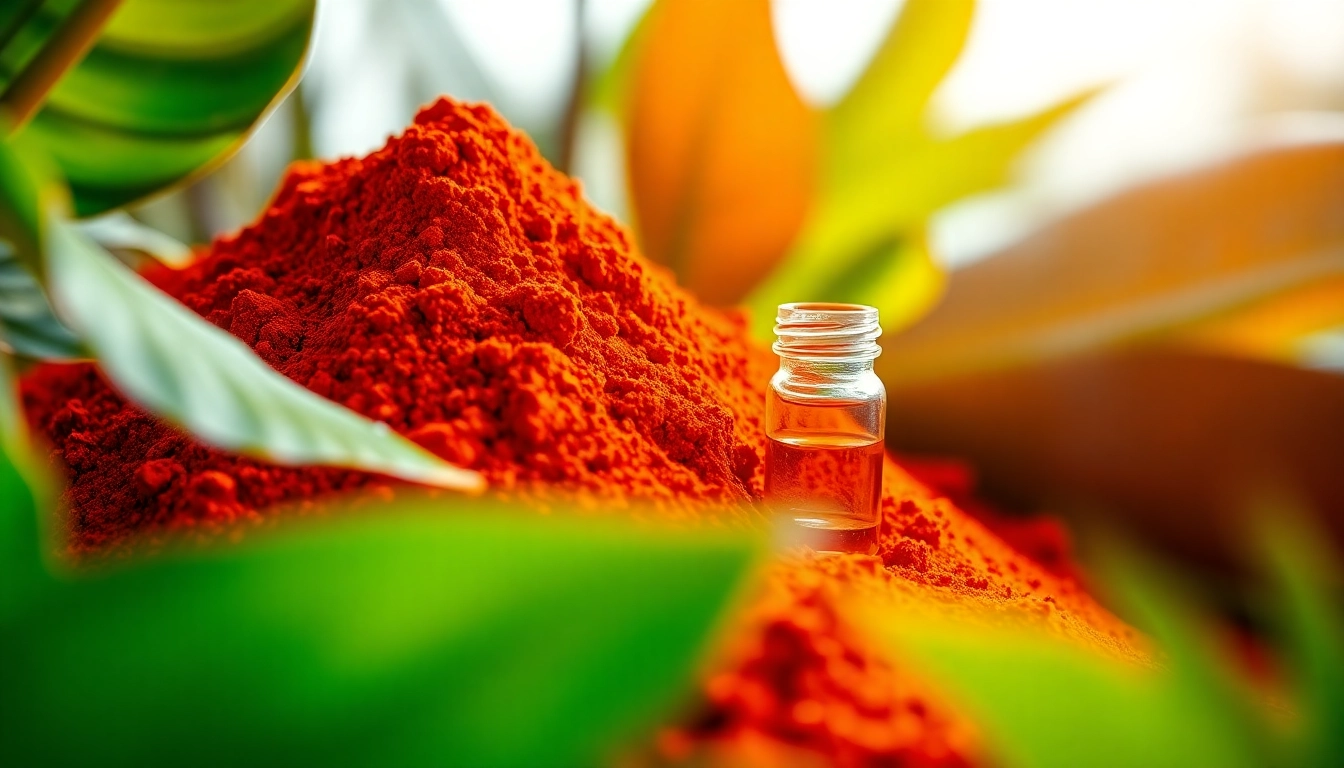
Introduction to Astaxanthin
What is Astaxanthin?
Astaxanthin is a carotenoid, a class of pigments found naturally in certain plants and algae, known for its vibrant red and orange hues. This powerful antioxidant is primarily derived from the Haematococcus pluvialis microalgae, which is often considered its richest natural source. Astaxanthin serves multiple roles in the ecosystem, acting as a protective agent for the algae against environmental stressors. Beyond its ecological functions, astaxanthin has garnered tremendous interest in nutrition, health, and wellness due to its impressive health benefits.
Nutritional Profile and Sources
The nutritional profile of astaxanthin is particularly compelling. It is recognized not just for its antioxidant properties but also for its role in supporting overall health. A typical serving of astaxanthin contains essential fatty acids, vitamins, and minerals, contributing to its effectiveness in promoting health. Major natural sources of astaxanthin include:
- Microalgae: The primary and richest source, especially Haematococcus pluvialis.
- Seafood: Salmon, shrimp, lobster, and other marine organisms also contain astaxanthin due to their diets.
- Dietary Supplements: Available in various forms, astaxanthin supplements are popular for those looking to capitalize on its health benefits.
Why is Astaxanthin Red?
The striking red coloration of astaxanthin is a fascinating aspect of its chemistry. This vibrant color arises from its unique molecular structure, which allows it to effectively absorb blue light wavelengths while reflecting red light. This property not only gives it its characteristic hue but also reflects its role in various biological functions as a potent antioxidant. For a deeper understanding, you can explore why is astaxanthin red. Astaxanthin’s ability to counteract oxidative stress is linked to this specific structural attribute, making it crucial for protecting the tissues of organisms that call it home.
Health Benefits of Astaxanthin
Antioxidant Properties Explained
As an antioxidant, astaxanthin sets itself apart due to its remarkable ability to neutralize free radicals. Free radicals are unstable molecules that can cause cellular damage, leading to a range of diseases and conditions, particularly age-related ailments. Astaxanthin is considered one of the most powerful antioxidants known, significantly outperforming other carotenoids and vitamins in this respect. Its antioxidant potential is attributed to the extensive conjugation of double bonds in its structure, allowing it to quench multiple types of free radicals effectively.
Research has demonstrated that astaxanthin can enhance antioxidant enzyme activity in the body, further bolstering its protective effects. This heightened antioxidant capacity can contribute to reduced inflammation and improved overall health, emphasizing the importance of incorporating effective antioxidants into the diet.
Astaxanthin’s Role in Skin Health
The benefits of astaxanthin extend beyond the cellular level, showing significant effects on skin health. It has been studied for its ability to protect skin from UV-induced damage, which is a common contributor to premature aging. Astaxanthin is thought to maintain skin elasticity and hydration while reducing visible signs of aging such as wrinkles and fine lines. Studies suggest that when applied topically or consumed, it increases skin hydration and may even enhance the skin’s overall appearance. Additionally, astaxanthin can help combat oxidative stress caused by sun exposure, making it a favorable ingredient in skincare formulations aimed at providing comprehensive protection and rejuvenation.
Impact on Eye Health and Vision
A significant body of evidence highlights the role of astaxanthin in supporting eye health. It has been shown to improve visual acuity, especially in conditions associated with aging. Astaxanthin helps protect the eye by reducing oxidative damage to the retina, which can lead to age-related macular degeneration and other visual impairments. Its ability to filter harmful blue light, alongside its antioxidant properties, makes it a valuable nutrient for maintaining optimal eye health. Moreover, by reducing fatigue and strain associated with prolonged screen time, astaxanthin can enhance overall visual function in the digital age.
Astaxanthin in Nature
Algae and Marine Life Contribution
Astaxanthin is often referred to as the “king of carotenoids,” and its contribution to marine life cannot be overstated. Microalgae are the primary producers of astaxanthin, which accumulates in the organisms that consume them, leading to the iconic pigmentation of species such as salmon and flamingos. These marine organisms often rely on astaxanthin not only for their coloration but also for its physiological benefits that enhance their survival in natural habitats. The vibrant hues serve as a dietary attraction and a protective mechanism against environmental stressors, forming an essential part of the aquatic food web.
The Ecosystem Role of Astaxanthin
Beyond the individual benefits to animals, astaxanthin plays a critical role in the ecosystem by supporting healthy populations of marine life. As a potent antioxidant, it contributes to the overall resilience of various species, fostering biodiversity in aquatic environments. Its presence in the food chain ensures that energy and nutrients flow effectively, illustrating how this carotenoid underpins the health and balance of marine ecosystems. Furthermore, astaxanthin’s role in aquatic food web dynamics emphasizes the importance of sustainable harvesting and cultivation practices to protect these vital resources.
Sustainability of Astaxanthin Production
With the growing demand for astaxanthin supplements, sustainability in its production has become increasingly important. As significant pressure mounts on marine and freshwater sources, sustainable practices in cultivating microalgae are needed to ensure a continuous and responsible source of astaxanthin. Innovations in aquaculture and bioprocess technologies are paving the way for environmentally friendly alternatives that minimize ecological disruption. By focusing on renewable and sustainable production methods, businesses can meet market demands while preserving natural habitats for future generations.
Supplementation and Dosage
Choosing Quality Astaxanthin Supplements
Selecting high-quality astaxanthin supplements is essential for ensuring maximum effectiveness. When choosing a product, consider factors like the source of astaxanthin (preferably derived from organic microalgae), extraction methods, and any additional ingredients. Third-party testing and certifications can provide reassurance regarding purity and potency. Additionally, keen attention to absorption formulations is critical since natural astaxanthin is best absorbed when consumed with fats, enhancing bioavailability and efficacy.
Recommended Dosage for Optimal Benefits
While individual needs may vary, common recommendations for astaxanthin supplementation range from 4 to 12 mg per day. For those aiming to improve skin health, eye health, or exercise performance, doses closer to the upper range may be beneficial. Consultation with a healthcare provider can help tailor the dosage based on personal health objectives, medication interactions, and individual tolerance. Consistency is key, as frequent supplementation leads to greater cumulative benefits over time.
Potential Side Effects and Considerations
Astaxanthin is typically considered safe for regular use, with few reported side effects. Some individuals may experience mild gastrointestinal discomfort or discoloration in skin tone when taking high doses. Pregnant or breastfeeding women should consult healthcare providers before incorporating astaxanthin into their regimen. Monitoring individual responses can help in assessing tolerance and adjusting dosage to minimize potential discomfort.
Frequently Asked Questions
What makes astaxanthin beneficial for health?
Astaxanthin is a powerful antioxidant that supports heart health, skin protection, and eye health by neutralizing free radicals.
How is astaxanthin processed?
Astaxanthin can be extracted from microalgae using various methods, ensuring purity and potency for supplements.
Why is astaxanthin red?
The red color of astaxanthin comes from its unique structure that absorbs blue-light wavelengths, making it visually striking.
Can astaxanthin improve exercise performance?
Studies suggest astaxanthin may enhance endurance and recovery in athletes by reducing oxidative stress and fatigue.
Is astaxanthin safe for everyday use?
When consumed in recommended doses, astaxanthin is generally considered safe and well-tolerated with minimal side effects.