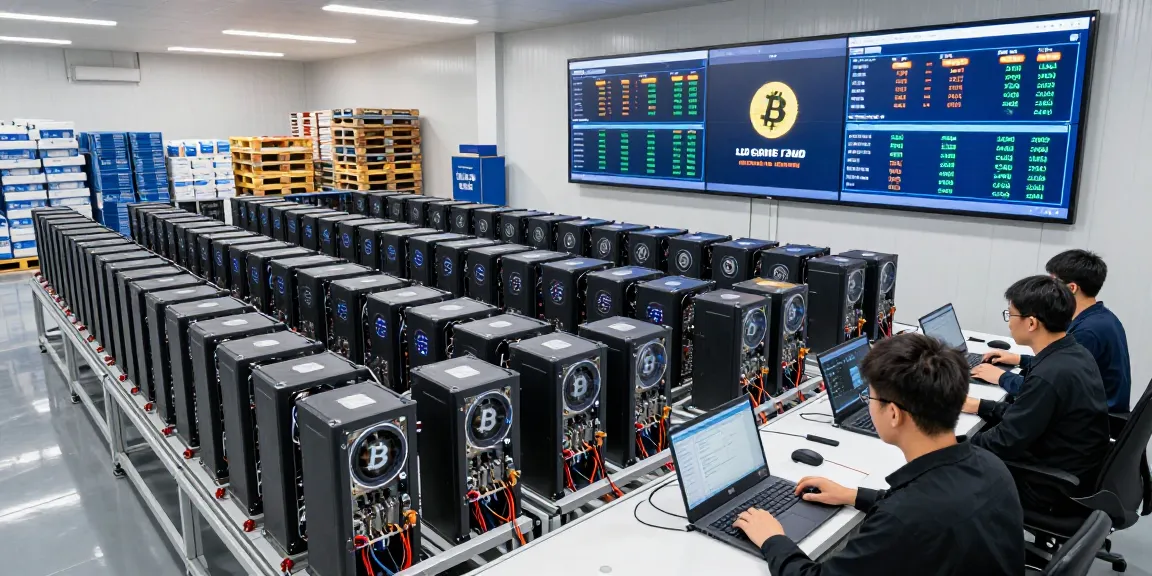
Understanding Eco Friendly Crypto Mining
As the cryptocurrency industry continues to evolve, the significance of sustainable practices has come into sharper focus. Among these, eco friendly crypto mining stands out as a crucial aspect of creating a more responsible blockchain technology landscape. Driven by the need for a lower carbon footprint, miners and investors alike are increasingly aware of the environmental costs associated with traditional mining methods. Eco friendly mining not only addresses these concerns but also leverages innovative technologies to enhance efficiency and reduce the overall energy consumption of the cryptocurrency ecosystem.
What is Eco Friendly Crypto Mining?
Eco friendly crypto mining represents a paradigm shift in the way cryptocurrencies are mined, focusing on reducing environmental impacts while maintaining the integrity and security of blockchain networks. Traditional mining utilizes energy-intensive processes, particularly Proof of Work (PoW), which often leads to significant carbon emissions due to its reliance on fossil fuels. In contrast, eco friendly mining employs renewable energy sources such as solar, wind, and hydroelectric power, thereby mitigating its carbon footprint and promoting sustainability in the digital asset space.
Importance of Sustainability in Cryptocurrency
The urgency of climate change and environmental degradation has pushed sustainability to the forefront of many industries, including cryptocurrency. With increasing regulatory scrutiny targeting high energy consumption within blockchain networks, efforts towards sustainable practices have become not only ethical imperatives but also business necessities. By adopting eco friendly mining practices, the cryptocurrency community can work towards gaining public trust, attracting institutional investment, and aligning with the broader movement for corporate responsibility that prioritizes environmental stewardship.
Comparison Between Traditional and Eco Friendly Mining Methods
- Energy Source: Traditional mining primarily relies on coal and natural gas, which contribute heavily to greenhouse gas emissions. Eco friendly mining focuses on renewable sources, greatly reducing carbon outputs.
- Mining Equipment: Conventional mining setups often employ outdated hardware that consumes excessive amounts of energy. Sustainable operations utilize energy-efficient mining hardware that minimizes energy usage.
- Operational Costs: While traditional mining can have lower upfront costs due to cheaper hardware, eco friendly miners often see reduced operational costs in the long run by leveraging renewable energy and advanced technologies.
Technological Innovations in Green Mining
Renewable Energy Sources for Crypto Mining Operations
The adoption of renewable energy in crypto mining is not just beneficial for the environment; it can also enhance the operational efficiency of mining farms. Utilizing solar panels, wind turbines, and hydroelectric power stations, miners can significantly reduce their energy costs and reliance on the electrical grid, which can fluctuate in pricing and reliability. This shift not only aligns mining operations with global sustainability goals but also provides miners with a stable and often cheaper source of electricity.
Energy-Efficient Mining Hardware and Protocols
Innovations in mining hardware, such as Application Specific Integrated Circuits (ASICs) and Graphics Processing Units (GPUs) designed for low power consumption, have revolutionized eco friendly mining. These devices optimize performance while minimizing energy expenditure. Additionally, protocols like Proof of Stake (PoS) require significantly less energy to validate transactions compared to traditional consensus algorithms, leading to a more sustainable blockchain environment.
Case Studies of Successful Eco Friendly Mining Ventures
Several mining operations have successfully implemented eco friendly practices. Companies like CleanSpark and Bitfarms utilize renewable energy sources, often co-locating their mining operations near hydroelectric plants. Others, like Gryphon, have embraced carbon-neutral practices by purchasing carbon offsets, ensuring that their overall impact on the environment remains low. These examples illustrate the practical steps that can be taken to harmonize crypto mining with environmental sustainability.
Key Benefits of Eco Friendly Crypto Mining
Reducing Carbon Footprint and Environmental Impact
The direct benefit of eco friendly mining is the drastic reduction in carbon emissions. By shifting to sustainable energy sources, miners can collectively contribute to a significant decrease in global greenhouse gases. Furthermore, eco friendly mining fosters a responsible approach to resource usage in the blockchain industry, prioritizing the health of the planet for future generations.
Long-term Financial Benefits for Miners
While the initial investment in renewable energy infrastructure may be higher, the long-term financial benefits can outweigh these costs. Eco friendly mining initiatives often tap into lower energy prices offered by renewable sources and benefit from government incentives. Additionally, as regulatory pressures mount against high-emission practices, sustainable miners will likely face fewer compliance costs and penalties as the landscape changes further.
Enhancing Blockchain Communities Through Sustainability
Incorporating eco friendly practices not only benefits the environment but also strengthens blockchain communities. Miners taking on sustainable practices can build reputations as responsible actors within the space. This fosters community trust and attracts like-minded individuals and investors who are diligent about the ethical implications of their investments.
Regulatory Landscape and Compliance for Eco Friendly Mining
Global Regulations Affecting Crypto Mining Industries
As concerns over the environmental impact of crypto mining grow, governments around the world are beginning to implement regulations aimed at reducing carbon footprints. Compliance with these regulations will be crucial for miners wishing to operate internationally. Understanding and adhering to these local laws can be complex, but it is essential for staying within legal bounds.
Compliance Guidelines for Eco-Friendly Mining Practices
Mining companies should establish clear compliance frameworks that include guidelines on energy sourcing, emissions reporting, and sustainable practices. Adopting frameworks from reputable organizations focused on sustainability can assist in navigating the regulatory landscape while enhancing operational credibility.
The Future of Sustainable Cryptocurrency Operations
As the cryptocurrency market matures, the future will likely see increased collaboration between miners and regulatory bodies to ensure that mining practices align with environmental goals. The transition to sustainable operations is not just a trend but a necessary adaptation to the evolving financial landscape.
Frequently Asked Questions
What are the best practices for eco-friendly mining?
The best practices for eco-friendly mining include utilizing renewable energy, investing in efficient mining hardware, and following regulatory compliance standards. Engaging in community initiatives and transparency about practices can also help promote sustainable operations.
Which cryptocurrencies are considered eco-friendly?
Eco-friendly cryptocurrencies typically employ Proof of Stake (PoS) or similar protocols that require significantly less energy than Bitcoin’s Proof of Work. Examples include Cardano (ADA), Algorand (ALGO), and Tezos (XTZ), which emphasize sustainability and low energy consumption.
How does renewable energy impact mining profitability?
Using renewable energy can greatly enhance mining profitability by reducing electricity costs and providing price stability. As traditional energy prices fluctuate, miners who rely on renewables often enjoy a significant competitive edge due to lower operational costs.
What technologies improve the efficiency of mining operations?
Technological advancements such as ASIC miners, energy-efficient cooling systems, and software optimizing mining operations can significantly improve mining efficiency. Additionally, utilizing PoS mechanisms instead of PoW can enhance overall network efficiency and reduce resource consumption.
What are the challenges in adopting eco-friendly mining?
Some challenges in transitioning to eco-friendly mining include the initial investment in renewable technologies, potential regulatory hurdles, and ensuring the availability of reliable sustainable energy sources. Education and advocacy in local communities can help address these challenges.