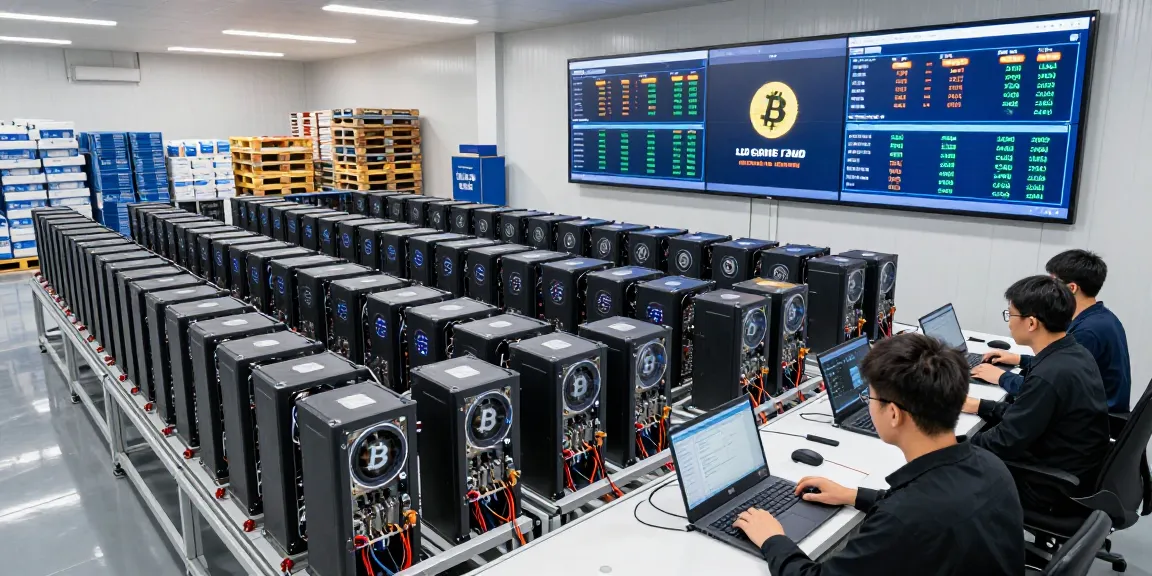
Understanding Bitcoin Mining Farms
The cryptocurrency industry is constantly evolving, with innovations like Bitcoin mining farms at the forefront. These specialized facilities harness the power of advanced computer hardware to solve complex mathematical problems, thereby validating transactions on the Bitcoin blockchain. By doing so, miners are rewarded with freshly minted bitcoins and transaction fees, making mining an integral part of the Bitcoin ecosystem. When exploring options, bitcoin mining farm designs are often pivotal for those looking to invest in this exciting venture.
What is a Bitcoin Mining Farm?
A Bitcoin mining farm is essentially a large-scale operation that focuses on the mining process for Bitcoin and potentially other cryptocurrencies. Unlike individual miners who may mine from their homes, mining farms consist of numerous mining rigs operating in unison, often in a dedicated space like a warehouse or data center. The concentration of resources helps achieve efficiency in solving blockchain’s Proof of Work challenges.
How Bitcoin Mining Works: Basics Explained
At its core, Bitcoin mining relies on a process known as Proof of Work (PoW). Miners use specialized hardware like ASICs (Application-Specific Integrated Circuits) to produce hashes, which are cryptographic representations of block data. When a miner successfully finds a hash that meets Bitcoin’s current difficulty target, they create a new block to be added to the blockchain, for which they receive a block reward. This entire process not only facilitates transaction validation but also ensures the security and integrity of the Bitcoin network.
Key Components of a Mining Farm Setup
- Mining Hardware: The most potent mining rigs that typically dominate Bitcoin networks, such as ASIC miners.
- Cooling Systems: Efficient cooling solutions are vital to manage the heat generated by high-performance hardware.
- Power Supply: Accessing affordable electricity is crucial for managing the operational costs of a mining farm.
- Networking Equipment: Reliable internet connectivity ensures a stable connection to the blockchain for transaction validation.
Profitability Factors for Bitcoin Mining
Understanding the profitability of a Bitcoin mining farm requires evaluating multiple factors that can influence returns. The key variables to consider include the cost of mining equipment, energy expenses, and the dynamic nature of cryptocurrency markets.
Evaluating Mining Equipment Costs
The initial investment in mining equipment can be substantial. ASIC miners can range from hundreds to tens of thousands of dollars. The expected lifespan of the hardware, efficiency, and hash rate are essential metrics to consider. Astute miners often monitor the evolving landscape for upgrades or more efficient models that could enhance performance.
Electricity Consumption and Costs Management
Electricity is typically one of the highest operational costs for mining farms. Given that mining requires immense computational power, finding the best rates can significantly impact profitability. Some miners set up operations in locations with naturally low electricity costs or explore renewable energy options.
Market Trends Influencing Mining Profitability
The profitability of Bitcoin mining is also subject to market fluctuations and the cryptocurrency’s price. The rewards of mining are halved every four years, an event known as the “halving.” This schedule creates cyclical trends that miners must consider when determining their operational strategies.
Security Best Practices for Mining Operations
With the rise of Bitcoin mining farms, security best practices must be prioritized to protect both the physical infrastructure and digital assets. Ensuring that a mining operation is secure can mitigate risks associated with theft, hacking, and loss.
Protecting Your Mining Equipment and Data
Physical security measures are crucial for any mining farm setup. Surveillance cameras, secure access points, and alarm systems can deter theft. On the cyber front, regular updates to software and firmware safeguard against vulnerabilities.
Managing Private Keys and Wallet Security
A successful mining operation requires secure storage of the mined Bitcoin. Private keys should be kept in cold storage solutions, such as hardware wallets, to minimize risks associated with digital theft.
Common Scams and How to Avoid Them
Miners should remain vigilant against common scams, such as Ponzi schemes or phishing attacks. Education and awareness programs can help staff recognize these threats and report suspicious activity promptly.
Regulatory Compliance in Cryptocurrency Mining
As the cryptocurrency landscape matures, regulatory compliance becomes increasingly vital for mining operations. Understanding and adhering to the legal framework can prevent significant penalties and enhance the legitimacy of mining activities.
Current Regulations for Bitcoin Mining in 2026
The regulatory environment for Bitcoin mining is continually evolving. In 2026, it is necessary to consider regulations that address energy consumption, environmental impact, and taxation policies on mining earnings. Following these regulations is essential to safeguarding your mining operation from legal challenges.
Tax Implications for Mining Operations
Tax ramifications are significant for miners, particularly across jurisdictions. Income from mined coins is subject to taxation, and proper record-keeping of profits and expenses is vital for compliance with IRS rules for cryptocurrency taxation.
Energy Use Regulations and Sustainability
As global awareness of sustainability rises, Bitcoin mining farms must also consider regulations concerning energy use, especially in regions susceptible to energy shortages. Implementing eco-friendly practices can bolster a farm’s reputation and operational longevity.
Future Trends in Bitcoin Mining Farms
The realm of Bitcoin mining is advancing with technological innovations and strategic developments that are shaping its future. Keeping an eye on emerging trends allows miners to maintain a competitive edge in the market.
Emerging Technologies in Mining Efficiency
Advancements in cooling technologies, more efficient mining hardware, and power management systems are expected to reduce operational costs significantly. Innovations like immersion cooling, where mining hardware is submerged in a non-conductive liquid, are gaining traction.
Decentralized Mining Pools and Their Impact
As miners face increasing operational hurdles, decentralized mining pools are providing opportunities for more equitable distribution of rewards. Astute miners analyze the impacts of pooled resources to reduce volatility in earnings.
Innovative Strategies for Profit Maximization
Creative strategies such as trading mined coins for other profitable digital assets immediately, maintaining a diversified approach to cryptocurrency investments, and exploring DeFi platforms for yield opportunities can enhance profit margins.
What Are the Risks of Investing in Mining Farms?
Investors in mining farms face risks associated with volatility in cryptocurrency prices, regulatory changes, and technological obsolescence. Conducting thorough research and engaging in risk management practices can help mitigate these risks.
Can Bitcoin Mining Farms Be Environmentally Friendly?
With pressure on the cryptocurrency industry to adopt sustainable practices, many mining farms are exploring renewable energy sources such as solar and wind. Implementing green technologies can lead not only to regulatory compliance but also brand loyalty.