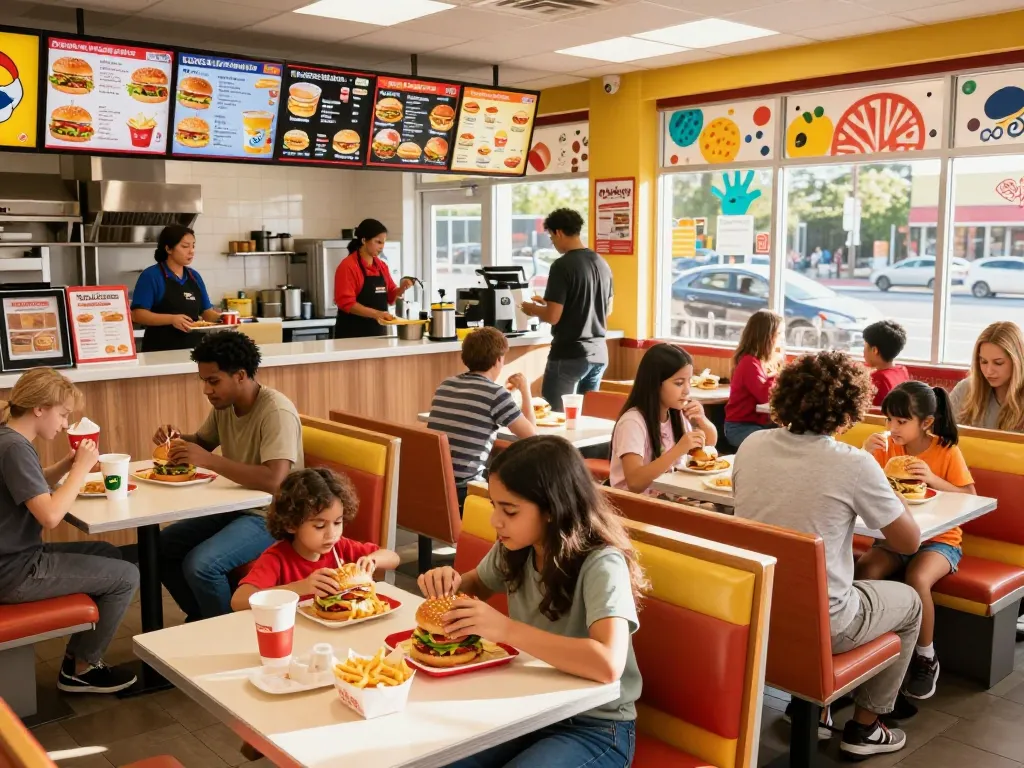
The Current Landscape of Fast Food Prices
The fast food industry has undergone significant transformations over the years, especially in pricing. Today, the average cost of a meal in a fast food chain hovers around $11.50. For consumers, understanding fast food prices is essential in making informed choices, especially amidst economic fluctuations and rising living costs. In this comprehensive overview, we will explore how fast food prices have evolved, the impact of inflation, and compare prices across popular chains.
How Fast Food Prices Have Evolved Over the Years
Fast food prices have not always been as inflated as they are today. In the early 2000s, a typical combo meal could be purchased for under $7. However, as wages stagnated and the cost of living increased, fast food prices followed suit. Recent reports indicate that prices at major chains like McDonald’s and Burger King have risen by approximately 100% over the past decade. This steep increase can be attributed to various factors, including higher ingredient costs and changing consumer preferences.
The Impact of Inflation on Fast Food Costs
Inflation plays a crucial role in the pricing structure of fast food. Over the past few years, the Consumer Price Index (CPI) has shown a consistent upward trend, and food services have not been exempt. The inflation rate for the fast food sector has frequently outpaced standard inflation rates. For instance, a meal that cost $8 just three years ago may now cost $12 or more, largely due to increasing supply chain costs affected by global events, including the COVID-19 pandemic.
Comparative Analysis of Fast Food Prices Across Chains
When analyzing fast food prices, we find significant disparities between chains. For instance, a meal at McDonald’s can be expected to cost around $10, whereas a meal at Chipotle may go up to $12-$15, depending on the selected items. Furthermore, premium chains like Shake Shack often command even higher prices, reflecting their positioning in the market as quality-oriented restaurants. This comparative analysis informs consumers of their options and helps them navigate their fast food purchases effectively.
Regional Variations in Fast Food Prices
Fast food prices can vary significantly from state to state, influenced by factors such as regional economic conditions, local competition, and operating costs. Understanding these regional variations is crucial for consumers looking to manage their budgets while enjoying fast food.
The Cost Disparities by State
Some states exhibit particularly high fast food prices compared to others. For example, Hawaii often ranks at the top for the cost of fast food, with a median price for a basic meal soaring to approximately $18.99. Conversely, states in the Midwest often enjoy lower meal prices, sometimes averaging around $8 or $9 for the same combo. This variation underscores the importance of location when considering fast food options.
How Local Economies Influence Fast Food Pricing
Local economies greatly influence fast food pricing strategies. In areas where the cost of living is high, fast food chains may increase their prices to maintain profit margins. Conversely, in locations with lower operational costs, fast food prices tend to be more competitive. For instance, fast food prices in urban centers like San Francisco may be significantly higher than those in rural parts of the Midwest or South.
Case Studies: Fast Food Price Trends in Major Cities
To illustrate local economic influences on fast food pricing, a look at major cities reveals stark contrasts. In New York City, the average combo meal can reach up to $13.88, reflecting the city’s high cost of living. Comparatively, Atlanta’s prices are notably lower, with average combo meal prices around $9. This disparity highlights how geographical factors can affect consumer choices and fast food profitability.
Factors Driving Fast Food Price Changes
Multiple factors contribute to the fluctuation of fast food prices. Understanding these elements can provide consumers with deeper insights into their purchasing decisions.
Supply Chain Challenges Affecting Fast Food Pricing
Supply chain disruptions have become a critical concern for the fast food industry. From the sourcing of quality ingredients to transportation challenges, these issues can lead to price increases. For example, during the pandemic, many chains faced shortages of key products like chicken and beef, which forced them to raise prices or alter menu items dramatically.
Labor Costs and Their Impact on Menu Prices
The increase in labor costs is another significant factor driving up menu prices. As states and cities raise minimum wages to help workers cope with rising living expenses, fast food chains are compelled to adjust their pricing structures accordingly. This increase is often passed on to the consumer, contributing to the overall rise in fast food prices.
Consumer Demand Shifts and Pricing Strategies
Shifts in consumer preferences also play a major role in how fast food prices are set. The growing demand for healthier options and premium ingredients has led some chains to redesign their menus, which can, in turn, raise prices. Fast food chains are continuously adapting to market trends to retain their customer base, reflecting the need for strategic pricing that aligns with consumer expectations.
Understanding the Value Proposition of Fast Food
Despite price increases, fast food remains a popular choice for many due to its convenience and perceived value. However, understanding what constitutes value in this sector can enhance consumer decision-making.
Examining Combo Meal Pricing vs. Individual Items
Combo meals are often marketed as providing better value compared to individual items. Many consumers opt for combo meals, believing they save money, but this isn’t always the case. By analyzing the prices of individual items versus combo meals, consumers can identify the best deals and potentially save money during their fast food outings.
Quality vs. Price: How Fast Food Chains Position Themselves
Fast food chains frequently position themselves based on the quality of their offerings. Chains that emphasize fresh, high-quality ingredients may price their meals higher than traditional fast food restaurants. This strategy allows them to cater to health-conscious consumers while differentiating themselves in a saturated market.
The Role Discounts and Promotions Play in Pricing
Discounts and promotions are pivotal in shaping customer perceptions of value within the fast food sector. Chains often roll out promotional campaigns to attract new customers or incentivize repeat visits. These discounts can lead to significant savings for consumers, though it’s crucial to assess whether the offered deals align with overall pricing strategies and quality.
The Future of Fast Food Pricing in 2026 and Beyond
Looking ahead, experts forecast that fast food prices will continue to evolve in response to ongoing economic pressures and consumer trends. Understanding these future trends will help consumers navigate the fast food landscape.
Predictions for Fast Food Prices Post-Pandemic
Post-pandemic, fast food prices are expected to stabilise, though they may remain higher than pre-pandemic levels. As chains adjust their business models to account for increased costs, consumers may find themselves paying more for the same meals they enjoyed in the past.
Emerging Trends That Could Affect Fast Food Costs
Several emerging trends could further influence fast food pricing. The integration of technology in ordering and payment processes, for instance, promises efficiency but may also lead to increased operational costs, which could be reflected in menu prices. Furthermore, sustainability and sourcing practices are expected to shape pricing strategies in the coming years.
Expert Insights on Fast Food Economics
Economists predict that as consumer preferences continue to shift towards healthier and sustainable options, fast food chains will have to adapt their menus accordingly. This evolution may lead to varying pricing strategies, influencing the overall landscape of fast food costs.
What Should Consumers Expect?
Consumers can anticipate a landscape of fast food pricing that is increasingly aligned with quality, sustainability, and health consciousness. While this may lead to higher prices, savvy consumers will be equipped to navigate this changing terrain by leveraging discounts, combo meal assessments, and an understanding of local market conditions.