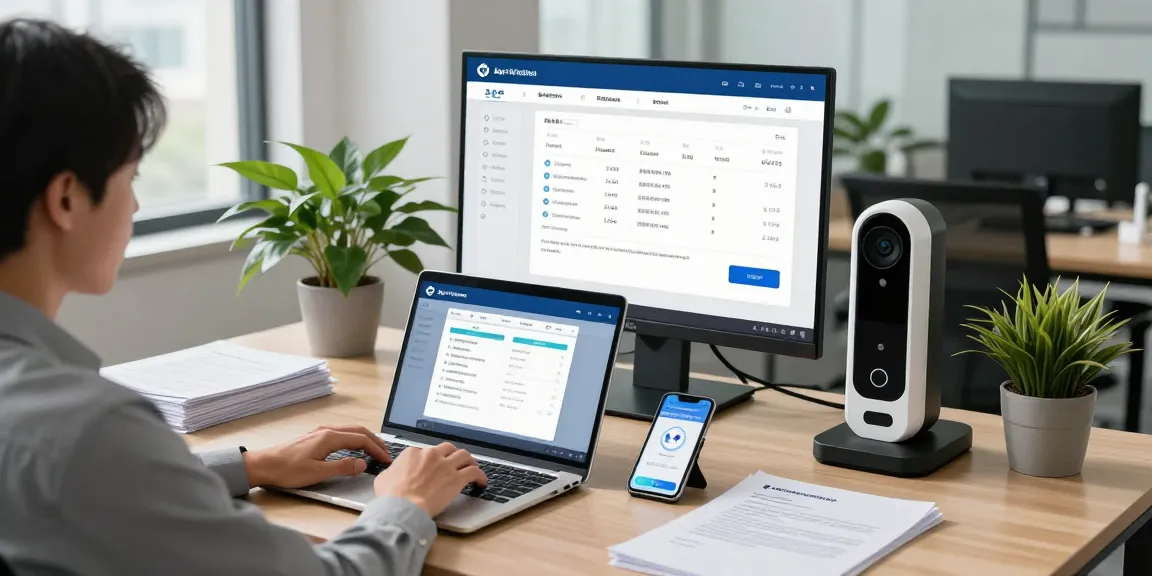
Understanding the Age Verification System
In an increasingly digital world, ensuring user compliance while protecting the rights of individuals is paramount. An age verification system serves as a crucial barrier to access age-restricted content. These systems ascertain a user’s age before granting them permission to engage with sensitive or age-restricted materials, including adult content and gambling platforms. With the rise of legislation mandating age verification, understanding its functionality and significance has never been more important.
What is an Age Verification System?
An age verification system is a technical framework designed to accurately assess and verify an individual's age before granting access to specific content. These systems can utilize various methods, including biometric data, user-generated inputs, or third-party databases, to confirm an individual's age. The end goal is to ensure that users who are not of legal age are restricted from accessing content that could be harmful to them.
Importance of Age Verification in Today's Digital Landscape
The importance of age verification is amplified by an increase in online content consumption. As reported widely in media outlets, mandatory age verification laws are being introduced across various jurisdictions due to concerns over child access to pornography and other sensitive content. Compliance with these regulations is essential for digital platforms, as non-compliance can result in heavy fines and legal repercussions. Hence, businesses are compelled to implement effective age verification systems to safeguard both their interests and those of their users.
Key Components of Effective Age Verification
- Accuracy: An effective age verification system must deliver high accuracy rates to minimize false positives or negatives.
- Speed: The verification process should be fast to ensure a seamless user experience without interruptions.
- Privacy Protection: Users' biometric data must be handled with utmost care to prevent breaches and maintain trust.
- Compliance: The system should adhere to global regulations, such as GDPR, COPPA, and other local laws relating to age verification.
Types of Age Verification Methods
Biometric vs. Non-Biometric Approaches
Age verification methods can generally be categorized into biometric and non-biometric approaches. Biometric systems rely on unique physical characteristics, such as facial recognition or fingerprints, to verify a user's age. These methods tend to offer higher accuracy, but they carry significant privacy implications. Conversely, non-biometric approaches typically involve users inputting their birth date or uploading a government ID. While safer in terms of privacy, these methods may be easier to manipulate or falsify.
Using Selfies and Live Verification Techniques
Live verification techniques, particularly using selfies, are becoming more common in age verification systems. This method requires users to take a current photograph, which is then analyzed using artificial intelligence algorithms to estimate their age. Such systems have shown promise in providing quick and accurate verification results, and they typically don't require sensitive ID uploads, enhancing user comfort and privacy.
Choosing the Right Age Verification Method for Your Business
When selecting an age verification method, consider factors such as the type of content you offer, your target audience, and the regulatory requirements in your area. For instance, businesses dealing with sensitive content may prioritize biometric verification for its accuracy, while other businesses may prefer alternative methods that offer a less invasive approach. Conducting a thorough assessment of these factors will help you make an informed choice.
Implementing an Age Verification System
Step-by-Step Guide to Setup and Integration
Implementing an age verification system requires careful planning and execution. Begin with defining your goals and identifying the necessary compliance standards. Next, choose a reputable provider that offers an age verification system that aligns with your needs. Follow these steps:
- Identify regulatory requirements relevant to your industry.
- Evaluate different age verification solutions based on accuracy, ease of integration, and cost.
- Incorporate the chosen system into your platform, ensuring a frictionless user experience.
- Test the system extensively before launching it to ensure functionality and compliance.
- Monitor user feedback and system performance regularly for continuous improvement.
Challenges and Considerations in Implementation
While implementing an age verification system can streamline compliance efforts, challenges can arise. These include ensuring user adoption, minimizing drop-off rates during the verification process, and maintaining privacy standards. Transparent communication with users about why age verification is necessary can help to alleviate concerns and enhance acceptance.
Best Practices for Smooth User Experience
- Simplicity: The age verification process should be straightforward and intuitive.
- Minimal Friction: Reduce the number of steps required to verify age, as complicated processes can deter users.
- Instant Results: Aim for real-time verification to keep user engagement high and avoid interruptions.
- Privacy Assurance: Clearly communicate how user data will be protected and ensure compliance with privacy laws.
Compliance and Legal Considerations
Global Regulations Impacting Age Verification
As online regulations evolve, age verification laws are increasingly being implemented worldwide. Countries like the UK, US, Germany, and France have specific regulations that require websites to verify user ages effectively. Understanding these regulations is crucial for businesses operating in multiple jurisdictions to avoid penalties and ensure compliance.
Understanding GDPR and Other Privacy Laws
The General Data Protection Regulation (GDPR) in the EU mandates strict controls around personal data processing. Age verification systems must adhere to these laws, ensuring that any personal data collected is processed with consent, stored securely, and disposed of responsibly after use. Furthermore, organizations must provide transparency regarding data processing and retention policies.
Ensuring Compliance with Industry Standards
In addition to GDPR, various industry standards apply to age verification systems, especially in sectors like gaming, alcohol sales, and adult content. Staying updated with these standards through regular audits and compliance checks is necessary to mitigate risks associated with legal penalties.
Future Trends in Age Verification Systems
Technological Innovations on the Horizon
As technology advances, the future of age verification systems looks promising. Innovations like AI-driven algorithms and machine learning models are expected to enhance the accuracy of age estimations while maintaining user privacy. Furthermore, developments in blockchain could offer more secure methods of verifying age without storing sensitive data.
Predictions for Age Verification in 2026 and Beyond
By 2026, it is anticipated that age verification will become a standardized requirement across many online sectors. Governments will likely impose stricter regulations, compelling businesses to adopt advanced age verification systems. Consequently, those companies that invest in innovative and user-friendly solutions early on may gain competitive advantages in the market.
Preparing for the Evolving Regulatory Landscape
Organizations must remain agile and prepared for changes in legislation regarding age verification. Establishing relationships with legal experts and compliance consultants can help businesses stay ahead of regulatory changes and adapt their systems accordingly.
What are the benefits of implementing an age verification system?
The benefits of implementing an age verification system include enhanced compliance with legal regulations, improved user trust, and reduced liability risks. Additionally, a robust age verification system can decrease the likelihood of unauthorized access to age-restricted content, further protecting vulnerable populations.
How does a biometric age verification system work?
A biometric age verification system works by scanning a user's physical attributes, such as facial features, to estimate their age. Generally, this involves capturing an image of the user's face and analyzing it using advanced algorithms that compare the features to a database. This process typically takes mere seconds while ensuring a secure, private user experience.
What are the costs associated with age verification systems?
Costs for age verification systems can vary significantly based on the chosen solution, volume of users, and specific features. Many providers, like Agemin, offer flexible pricing models that include per-check costs, which can be as low as $0.0106 for enterprise clients, making solutions scalable for smaller organizations as well.
Are there privacy risks with age verification methods?
Privacy risks associated with age verification methods primarily involve the handling of sensitive biometric data, which could be misused if not adequately protected. Ensuring compliance with privacy regulations and implementing robust data protection measures are essential for mitigating these risks.
What industries benefit most from age verification systems?
Industries that benefit most from age verification systems include adult entertainment, gaming, social media platforms, and e-commerce businesses that sell age-restricted products like alcohol and tobacco. By implementing effective age verification, these sectors can protect minors while maximizing compliance and enhancing user trust.