Understanding LVP Flooring
What is LVP Flooring?
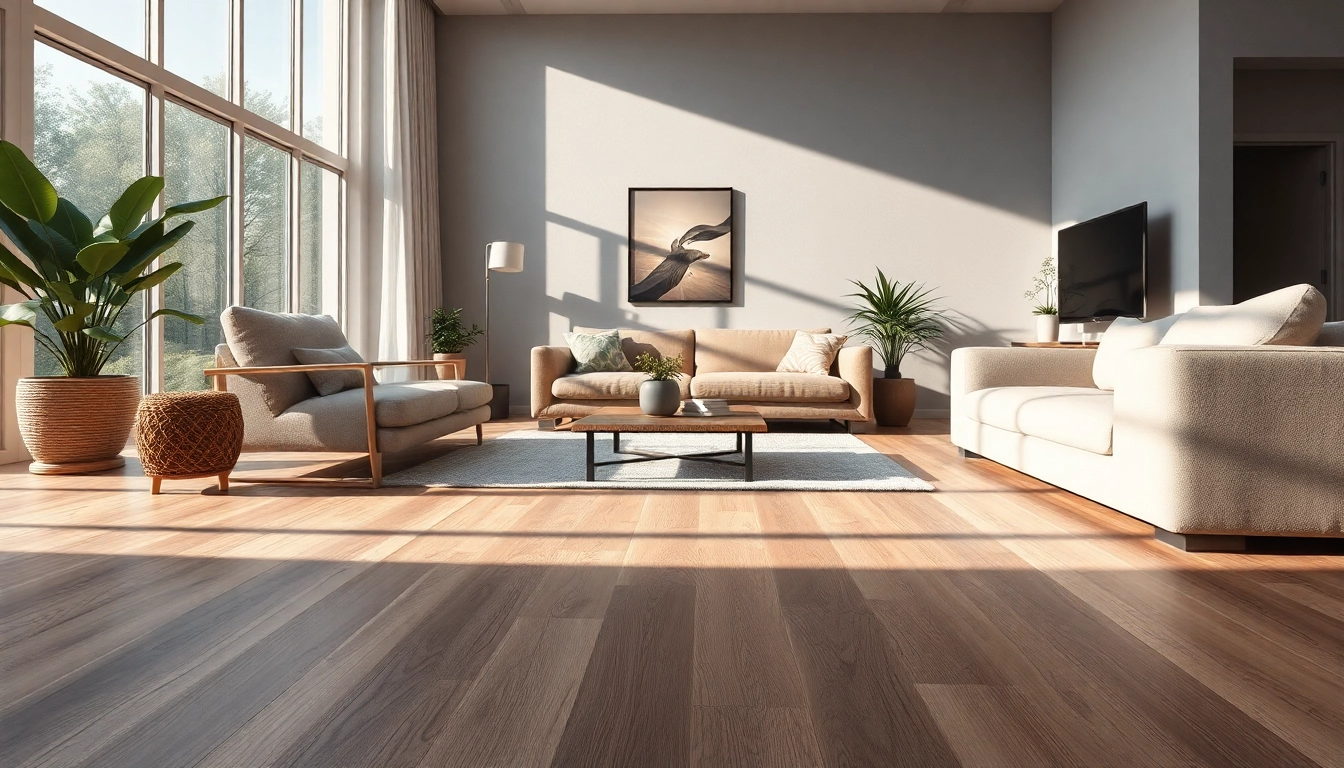
Luxury Vinyl Plank (LVP) flooring is a high-quality, water-resistant product designed to replicate the look and feel of natural hardwood, tile, or stone. It consists of multiple layers, including a rigid core that enhances durability, a vinyl layer that mimics the appearance of real wood or stone, and a clear wear layer that protects against scratches and dents. This flooring solution is particularly popular due to its affordability, ease of installation, and low maintenance requirements.
Benefits of Best LVP Flooring
The best lvp flooring offers numerous advantages that make it a preferred choice among homeowners and designers alike. Firstly, its water-resistance capabilities allow it to perform well in moisture-prone areas such as kitchens, bathrooms, and basements. Secondly, LVP is known for its durability; it can withstand heavy foot traffic without showing signs of wear, making it ideal for families with children or pets.
Moreover, LVP provides exceptional comfort underfoot. Unlike traditional tile or stone floors, which can be cold and hard, LVP maintains a more inviting temperature and feels softer when walked on. In addition, the vast array of styles and finishes available makes it easy to find the right aesthetic to complement any interior design. Lastly, LVP is relatively easy to install, often allowing for a DIY approach that can save on labor costs.
Common Applications for LVP Flooring
LVP flooring is an incredibly versatile material. Common applications include:
- Residential Interiors: Ideal for living rooms, bedrooms, and kitchens due to its aesthetic appeal and functionality.
- Commercial Spaces: Frequently utilized in offices and retail environments where durability and low maintenance are paramount.
- Moisture-Prone Areas: Became a go-to option for bathrooms and laundry rooms because of its water-resistance.
Key Considerations for Selecting Best LVP Flooring
Durability and Wear Resistance
When selecting the best LVP flooring, durability and wear resistance are crucial factors. Look for products with a thicker wear layer, as this protects against scratches and dents. Generally, a wear layer of at least 20 mil is recommended for residential use, while 30 mil or more is advisable for commercial spaces. Additionally, consider the warranty provided by the manufacturer—longer warranties usually indicate better durability.
Water Resistance Features
Given its primary use in moisture-prone areas, water resistance is another vital consideration. High-quality LVP flooring often features a waterproof core, meaning it can withstand spills without warping or damage. This capability not only enhances its longevity but also makes cleanup easier, as water or other liquids won’t seep through the planks, aiding in the maintenance of a hygienic environment.
Style and Aesthetic Options
LVP flooring comes in a wide variety of styles, colors, and textures. From rustic oak looks to sleek, modern designs, there is a suitable option for every taste. Furthermore, some options offer enhanced textures that mimic the look of natural wood, providing added realism. When choosing your flooring, consider how it fits into the overall design scheme of your space and your personal style preferences.
Installation and Maintenance
Best Practices for Installing LVP Flooring
Installing LVP flooring is relatively straightforward, making it an excellent choice for DIY enthusiasts. Standard installation practices include:
- Acclimation: Allow planks to acclimate in the room where they will be installed for at least 48 hours prior to installation.
- Subfloor Preparation: Ensure the subfloor is clean, dry, and level.
- Utilizing the Right Tools: Use a utility knife for cutting planks and a tapping block for fitting pieces together snugly.
Essential Maintenance Tips
To keep your LVP flooring looking its best, follow these maintenance tips:
- Regular Cleaning: Sweep or vacuum regularly to remove dirt and debris. Use a damp mop for deeper cleaning, avoiding excessive water.
- Avoid Harsh Chemicals: Refrain from using harsh cleaners that might compromise the finish of the flooring.
- Protection: Use furniture pads to prevent scratches and minimize wear in high-traffic areas.
Common Mistakes to Avoid
While installing LVP flooring can be straightforward, there are common pitfalls to avoid:
- Ignoring Acclimation: Skipping the acclimation process can lead to issues such as expansion or contraction post-installation.
- Poor Subfloor Preparation: An uneven subfloor can cause problems down the line, such as warping or gaps between planks.
- Not Following Manufacturer Instructions: Each product may have specific installation guidelines that, if ignored, can void warranties.
Comparing LVP to Other Flooring Types
LVP vs. Hardwood Flooring
When comparing LVP flooring to hardwood, several advantages stand out. LVP is generally more affordable, highly resistant to moisture, and less susceptible to scratches and dents. While hardwood offers timeless beauty and can be refinished, LVP is often easier to install and maintain. Thus, if budget or environmental conditions are a concern, LVP may be the better choice.
LVP vs. Tile Flooring
Tile flooring is known for its durability and stain resistance, yet it can be cold and hard underfoot. LVP, on the other hand, offers similar durability without the discomfort. Moreover, LVP is generally less expensive and easier to install compared to tile. The choice between the two often boils down to personal preference regarding style and comfort.
LVP vs. Carpet
Carpet provides a warm and cozy feel, ideal for bedrooms and living rooms. However, it is harder to clean and may trap allergens. LVP flooring is a hypoallergenic alternative that can withstand spills and stains better, making it a practical choice for homes with allergies or pets. Furthermore, LVP can mimic the look of wood or stone, providing more versatility in decor.
FAQs about Best LVP Flooring
What is the average lifespan of best LVP flooring?
Best LVP flooring can last between 15 to 25 years depending on the quality and installation.
Can best LVP flooring be installed over existing floors?
Yes, LVP can generally be installed over most existing floors after proper preparation.
Is best LVP flooring eco-friendly?
Many LVP products are made with recycled materials and are considered a sustainable flooring option.
How do you clean best LVP flooring?
Regular sweeping and occasional damp mopping with a mild detergent will keep LVP flooring looking great.
Can best LVP flooring be refinished?
No, LVP cannot be refinished like hardwood flooring, but it is designed to be durable and long-lasting.