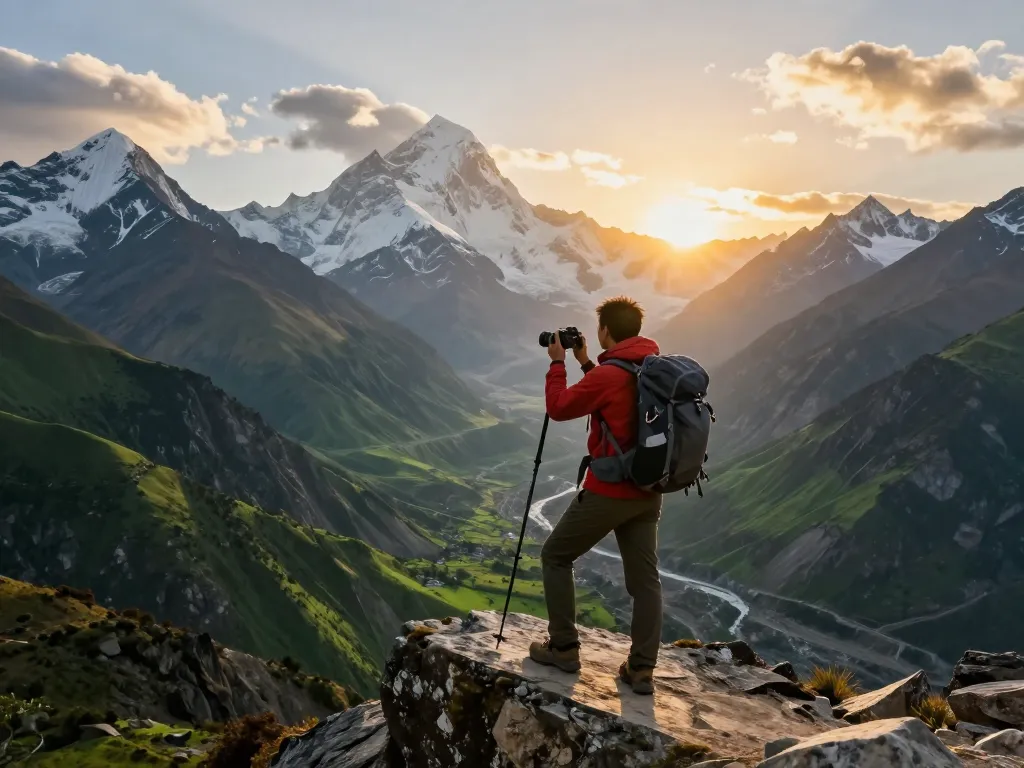
Introduction to the Everest Base Camp Heli Trek
The Everest Base Camp Heli Trek offers an extraordinary blend of adventure and convenience, making it an appealing choice for trekkers who wish to experience the grandeur of the Himalayas without enduring the lengthy return trek. As one of the most sought-after trekking experiences in Nepal, it allows adventurers to briefly immerse themselves in the stunning landscapes surrounding Mount Everest before soaring back to Kathmandu via helicopter. This innovative approach caters to various fitness levels, time constraints, and personal preferences, ensuring everyone can witness the majestic beauty of the world’s highest peak.
When exploring options, Everest Base Camp Heli Trek provides comprehensive insights into this unforgettable journey, combining the thrill of hiking with the joy of a scenic helicopter ride. In this guide, we will delve into the essential aspects of planning and executing your Heli Trek, including itinerary details, safety measures, and tips to overcome common challenges.
What is the Everest Base Camp Heli Trek?
The Everest Base Camp Heli Trek is a unique trekking itinerary that combines the traditional trek to Everest Base Camp (EBC) with a helicopter return to Kathmandu. Typically spanning around 10 to 14 days, the trek includes several days of acclimatization and exploration in the Khumbu region, culminating in a breathtaking helicopter flight that provides stunning aerial views of the towering peaks and valleys below. Unlike traditional treks that require hikers to retrace their steps on foot, this option saves time and offers a luxurious touch to the Himalayan adventure.
Key Highlights and Experiences
During the Everest Base Camp Heli Trek, trekkers are treated to a series of unforgettable experiences, including:
- Stunning views of iconic peaks including Mount Everest, Lhotse, and Nuptse
- Exploration of culturally rich Sherpa villages like Namche Bazaar and Tengboche
- A visit to the historic Tengboche Monastery, known for its breathtaking backdrop and spiritual significance
- Unique encounters with local wildlife, including Himalayan Tahr and various bird species
- Memorable sunrise views from Kala Patthar, a must-see vantage point at 5,545 meters
- Helicopter flight that allows for panoramic views of the Everest region
Why Choose a Heli Trek Over Traditional Trekking?
The Everest Base Camp Heli Trek offers several advantages over traditional trekking methods, appealing to a range of preferences:
- Time Efficiency: The helicopter return significantly reduces travel time, allowing trekkers to enjoy the highlights of the region without the demands of a long return hike.
- Accessibility: Ideal for those with limited time, physical constraints, or anyone seeking to enjoy the spectacular scenery without lengthy treks.
- Comfort: A helicopter ride provides a comfortable and exhilarating way to experience the Himalayas from above, enhancing the overall trekking adventure.
- Variety: Trekkers can combine trekking with the thrill of flying, creating a unique experience that stands out among traditional Himalayan adventures.
Planning Your Everest Base Camp Heli Trek
Best Time to Undertake the Trek
The best time for the Everest Base Camp Heli Trek generally falls within two main trekking seasons: pre-monsoon (March to May) and post-monsoon (September to November). During these months, you can expect clear skies, pleasant temperatures, and stunning mountain vistas. The weather conditions significantly affect your trekking experience, so selecting the right timeframe ensures optimal visibility, better acclimatization, and an overall enjoyable journey.
Understanding Costs and Packages for 2026
The cost of the Everest Base Camp Heli Trek can vary based on several factors, including the duration of the trek, the services included, and the trekking company you choose. On average, you can expect to pay between $2,000 to $5,000 per person for a typical package, which may include accommodation, meals, permits, and the helicopter return flight. Luxury packages that offer additional services, such as private guides or premium accommodations, can exceed $5,000. It is essential to research and compare different trekking companies to find a package that fits your budget and desired experience.
Gear and Preparation for a Successful Adventure
Proper gear and preparation are crucial for the success of your Everest Base Camp Heli Trek. Here’s a checklist to guide your packing:
- Clothing: Breathable base layers, warm fleece, waterproof and windproof jackets, trekking pants, gloves, a warm hat, and comfortable trekking boots.
- Equipment: Trekking poles, a sturdy backpack, a sleeping bag rated for cold temperatures, and hydration systems.
- Health and Safety: A personal first-aid kit, altitude sickness medication, and any personal medications you might need.
- Miscellaneous: Sunscreen, sunglasses, a camera, and power banks for electronic devices.
It’s also advisable to familiarize yourself with the trekking route and potential challenges, ensuring you feel physically and mentally prepared for the adventure.
Detailed Itinerary for the Heli Trek
Day-by-Day Breakdown of the Trek
While itineraries can vary, a typical Everest Base Camp Heli Trek itinerary may look like this:
- Day 1: Arrive in Kathmandu, briefings, and preparations.
- Day 2: Fly from Kathmandu to Lukla; trek to Phakding.
- Day 3: Trek from Phakding to Namche Bazaar.
- Day 4: Acclimatization in Namche; explore nearby areas.
- Day 5: Trek to Tengboche.
- Day 6: Trek to Dingboche, further acclimatization.
- Day 7: Trek to Lobuche.
- Day 8: Visit Everest Base Camp and trek back to Gorak Shep.
- Day 9: Early morning hike to Kala Patthar; enjoy sunrise views and then head back to Gorak Shep.
- Day 10: Take a helicopter ride from Gorak Shep back to Kathmandu.
Acclimatization and Safety Measures
Acclimatization is critical when trekking in high-altitude environments. The planned itinerary typically includes acclimatization days where trekkers can rest and adjust to the altitude. Adhering to the ascent recommendations, hydrating adequately, and being mindful of your body’s signals can help mitigate altitude sickness. Familiarize yourself with the symptoms of altitude sickness, and have a clear plan in place with your guide for descending if necessary.
Scenic Highlights Along the Route
Throughout the trek, trekkers will encounter numerous scenic highlights:
- The picturesque landscapes of Sagarmatha National Park, a UNESCO World Heritage Site
- Stunning views of glacier lakes like Gokyo Lake
- Cultural encounters in traditional Sherpa settlements
- Majestic panoramic views from vantage points like Kala Patthar
Challenges and Considerations
Addressing Common Misconceptions about Heli Treks
Many misconceptions surround heli treks, particularly regarding the ease of the journey. While the helicopter return does simplify the trek, the ascent to Everest Base Camp remains physically demanding. It is essential for trekkers to prepare adequately, both physically and mentally, ensuring they can handle the rigors of high-altitude trekking.
Physical Preparation and Training for the Trek
Preparing your body for this trek involves establishing a solid fitness regimen. Consider incorporating the following into your routine:
- Cardiovascular fitness: Running, cycling, or swimming to build endurance.
- Strength training: Focus on lower body and core strength through exercises like squats and lunges.
- Hiking practice: Gradually increase the duration and intensity of your hikes, ideally in hilly or mountainous areas.
Managing Altitude Sickness and Health Precautions
Altitude sickness is a significant concern for trekkers, especially at elevations above 2,500 meters. To minimize risks:
- Recognize early symptoms: Headaches, nausea, fatigue, and dizziness.
- Ascend gradually: Follow the “climb high, sleep low” principle to allow your body to adapt.
- Stay hydrated: Drink plenty of fluids to keep your body functioning optimally.
- Consider altitude medications: Consult with your doctor before the trek regarding medications that can help prevent altitude sickness.
Future Trends in Trekking: What’s New for 2026?
Innovations in Trekking Equipment and Safety
As trekking continues to evolve, several innovations are shaping the future of adventure travel. Expect to see advancements in lightweight gear, improved navigation tools, and enhanced safety equipment, allowing trekkers to explore more confidently and comfortably.
Sustainability Practices in Himalayan Tourism
With the increasing popularity of the Everest region, sustainability practices are becoming crucial to preserving its natural beauty. Trekking companies are adopting eco-friendly measures, such as minimizing waste, promoting responsible trekking, and supporting local communities, ensuring that tourism positively impacts the region.
Predictions for Trekking Popularity and Experiences
As the travel landscape continues to change, trekking in regions like the Everest area is expected to remain popular. Future experiences may include deeper cultural connections with local communities, eco-conscious travel options, and personalized trekking experiences that cater to individual preferences. Adventurers will find more tailored packages that prioritize safety, sustainability, and unique explorations.
What is the cost of the Everest Base Camp Heli Trek?
Costs typically range from $2,000 to $5,000 per person, influenced by package inclusions and service levels. It’s advisable to research various trekking companies for the best fit.
How physically demanding is the Everest Base Camp Heli Trek?
Although the helitrekking option provides a quicker return, the trek to EBC is still physically demanding, and adequate preparation is essential.
What are the best months to go for the Everest Base Camp Heli Trek?
March to May and September to November are considered the best months, offering ideal weather conditions.
How can I prepare for altitude sickness during the trek?
Staying hydrated, ascending slowly, and recognizing the symptoms early are key strategies for managing altitude sickness.
What should I pack for a successful Everest Base Camp Heli Trek?
Essentials include proper clothing, trekking gear, health precautions, and hydration systems to ensure a successful trek.