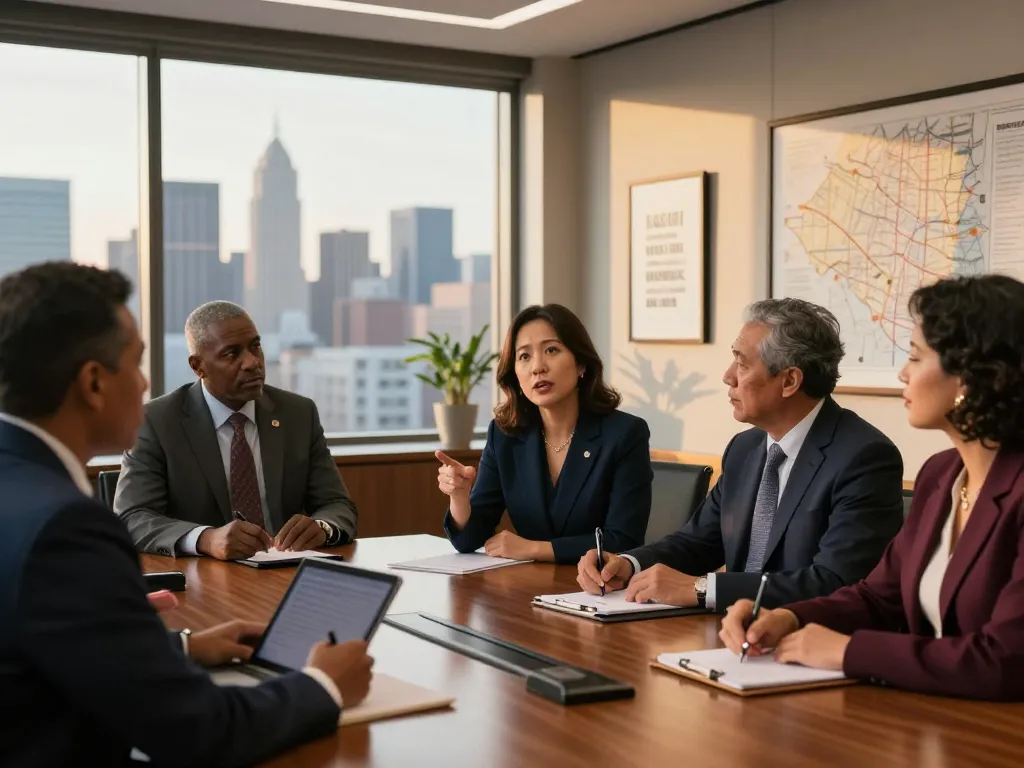
Understanding Mediation in Conflict Resolution
Mediation plays a significant role in resolving conflicts across various domains, including personal, professional, and community settings. By offering a structured approach to conflict resolution, mediation helps parties engage in constructive discussions rather than adversarial confrontations. This process is often facilitated by a neutral third party who guides the conversation towards a mutually agreeable solution. For those seeking an effective method to resolve disputes, Mediation serves as an invaluable option.
The Role of Mediation in Dispute Resolution
Mediation acts as an alternative dispute resolution (ADR) method that emphasizes cooperation and communication over contention. The mediator—a neutral facilitator—utilizes various techniques to promote dialogue, reduce tensions, and encourage understanding between the conflicting parties. Unlike litigation, which can be adversarial and costly, mediation aims to foster collaboration, allowing parties to maintain relationships post-resolution.
Key Concepts of Mediation
At its core, mediation revolves around several key concepts:
- Voluntary Participation: All parties engage in mediation willingly, which promotes buy-in and collaboration on resolutions.
- Confidentiality: Discussions that occur during mediation are typically confidential, encouraging open dialogue without fear of repercussion.
- Self-Determination: Parties retain control over the outcome, allowing them to craft solutions that suit their unique needs and circumstances.
- Neutral Facilitation: The mediator remains unbiased, focusing on helping parties explore their options and fostering a constructive dialogue.
Benefits of Choosing Mediation
The advantages of mediation extend beyond mere resolution of disputes. Some of the significant benefits include:
- Cost-Effective: Mediation is generally less expensive than litigation, making it a more accessible option for many individuals and organizations.
- Time-Saving: Mediation sessions can often be scheduled more quickly than court proceedings, allowing for faster resolutions.
- Preservation of Relationships: By promoting collaborative dialogue, mediation helps maintain professional and personal relationships.
- Higher Satisfaction Rates: Many participants report higher satisfaction with mediated agreements as they have a hand in crafting the solutions.
Mediation Techniques for Successful Outcomes
Active Listening Skills in Mediation
Active listening is fundamental in mediation. It involves fully concentrating on, understanding, and responding thoughtfully to the speaker. In mediation, active listening fosters an environment of respect and recognition, making parties feel heard and valued. Key components of active listening include:
- Feedback: Providing verbal and non-verbal cues that indicate understanding.
- Clarifying: Asking questions to ensure clarity and prevent misunderstandings.
- Summarizing: Restating key points to affirm understanding and show that the speaker’s input is valued.
Facilitating Constructive Communication
The ability to facilitate constructive communication is a hallmark of skilled mediation. This entails guiding discussions to elicit open, honest exchanges while minimizing misunderstandings. Techniques include:
- Setting Ground Rules: Establishing guidelines for respectful dialogue helps create a safe space for discussion.
- Using Open-Ended Questions: Encouraging parties to elaborate on their thoughts and feelings to foster deeper insights.
- Reframing Statements: Paraphrasing or rewording statements to focus on underlying interests rather than positions.
Neutrality and Impartiality in Mediation
One vital aspect of mediation is the mediator’s neutrality and impartiality. This principle ensures that the mediator does not favor one party over another, helping to establish trust. To maintain neutrality, mediators can:
- Avoid Conflicts of Interest: Disclose any potential biases and recuse themselves from mediating if a conflict exists.
- Equal Opportunity to Speak: Ensure all parties have equal time to express their views, which fosters fairness.
- Remain Non-Judgmental: Approach each situation without preconceived notions, fostering an unbiased environment.
Choosing the Right Mediator for Your Needs
Qualities to Look for in a Mediator
Choosing an effective mediator is crucial for successful mediation. Some essential qualities to consider include:
- Experience: Look for mediators with a solid background and training in conflict resolution.
- Strong Communication Skills: Effective mediators can articulate their thoughts clearly and facilitate discussions efficiently.
- Empathy: A good mediator demonstrates compassion and understanding, which helps parties feel acknowledged.
- Problem-Solving Ability: The mediator should have skills to help parties explore potential solutions creatively.
Understanding Different Mediation Styles
Mediators can adopt various styles depending on the nature of the conflict and the preferences of the parties involved. These styles include:
- Facilitative Mediation: The mediator assists parties in exploring options and making decisions without imposing solutions.
- Evaluative Mediation: The mediator provides their assessment of the situation and suggests possible solutions, which can lead to more structured outcomes.
- Transformative Mediation: Focuses on changing the dynamics of the relationship through mutual recognition and dialogue.
When to Seek Professional Mediation Services
While some disputes can be resolved amicably, there are circumstances where professional mediation should be considered:
- When conflicts escalate beyond the parties’ abilities to manage independently.
- If deep-rooted issues and emotions hinder progress in discussions.
- When a neutral perspective is necessary to facilitate resolution.
- If there are legal implications or complexities that need professional guidance.
Common Challenges in the Mediation Process
Handling Emotional Barriers in Mediation
Emotions often play a significant role in disputes. Mediators must recognize and address emotional barriers to ensure a productive dialogue. Strategies for managing emotional barriers include:
- Validating Feelings: Acknowledge emotional responses to help parties feel understood.
- Creating a Safe Space: Foster an environment where parties feel comfortable expressing emotions without judgment.
- Encouraging Emotional Regulation: Support parties in finding constructive ways to express their feelings, reducing the risk of escalation.
Navigating Power Dynamics During Mediation
Power imbalances can complicate mediation. A skilled mediator must recognize these dynamics and address them constructively. Techniques for managing power dynamics include:
- Private Caucuses: Conduct separate meetings with each party to address concerns and level the playing field.
- Empowering Voices: Encourage quieter parties to express their needs and interests, promoting equity in dialogue.
- Reinforcing Respect: Highlighting that all perspectives are valuable can help mitigate dominant behaviors.
Addressing Resistance to Mediation
Resistance to the mediation process is common, and mediators must navigate this challenge adeptly. Tips for overcoming resistance include:
- Building Trust: Establish rapport early on to create a foundational sense of trust among parties.
- Explaining the Process: Clearly outline the mediation process, addressing misconceptions that may lead to resistance.
- Focusing on Interests: Shift discussions from positions to interests, highlighting the potential benefits of mediation.
Evaluating the Success of Mediation Sessions
Measuring Effective Outcomes in Mediation
Success in mediation can be evaluated through several metrics, including:
- Resolution Rate: The percentage of disputes that result in a mutually acceptable agreement.
- Participant Satisfaction: Gathering feedback from participants on their experience and the perceived fairness of the process.
- Relationship Dynamics: Assessing whether relationships remained intact or improved post-mediation.
Follow-Up Strategies After Mediation
Effective follow-up is essential for ensuring the durability of mediation outcomes. Strategies include:
- Sending Summary Agreements: Provide written documentation of the agreement to solidify commitments.
- Checking In: Schedule follow-up meetings to address any emerging issues related to the agreement.
- Assessing Implementation: Evaluate how well parties are adhering to the agreements reached during mediation.
Long-Term Benefits of Effective Mediation
The benefits of mediation extend well beyond immediate resolution. Long-term benefits include:
- Cultivating Conflict Resolution Skills: Parties often acquire skills that enhance their ability to manage future conflicts independently.
- Strengthening Relationships: Through collaborative problem-solving, participants often foster stronger, more resilient relationships over time.
- Building a Positive Culture: Organizations that regularly utilize mediation can cultivate a culture of open communication and collaboration.
FAQs About Mediation
What is mediation?
Mediation is a structured conflict resolution process featuring a neutral mediator who helps disputing parties engage in dialogue to achieve a mutually acceptable agreement.
How does mediation differ from arbitration?
While both are forms of alternative dispute resolution, mediation focuses on facilitating conversation and resolution, while arbitration involves a neutral third party making binding decisions based on presented evidence.
Is mediation confidential?
Yes, mediation is typically a confidential process, meaning discussions cannot be used in court if the mediation does not lead to an agreement.
Can mediation be mandated?
In some cases, courts or employment contracts may mandate mediation prior to other dispute resolution methods, directing parties to attempt resolution through mediation first.
How long does mediation take?
The duration of mediation depends on the complexity of the dispute and the parties’ willingness to engage. Some sessions can be resolved in a few hours, while others may take several sessions.