Understanding Geophones: Technologies and Applications
In the field of geophysics, understanding the subtleties of ground movement is crucial for a variety of applications, from seismic studies to environmental monitoring. At the heart of this understanding are geophones—sensitive devices that convert ground motion into electrical signals. As we dive deeper into the world of geophones, we discover how these instruments are instrumental in gathering essential data. Whether you’re a seasoned geophysicist or a newcomer to this discipline, the geophone is foundational to exploring seismic activity and the earth’s structural properties.
What is a Geophone and How Does it Work?
A geophone is a type of seismic sensor primarily used to measure ground vibrations. It operates on a simple principle: when ground movement occurs, a mass within the device moves relative to a coil, inducing a voltage that is proportional to the velocity of the ground movement. This voltage is then recorded, allowing researchers to analyze seismic waves. The basic construction of a geophone includes a coil suspended in a magnetic field, which is responsive to ground motions.
Different Types of Geophones and Their Uses
Geophones come in various types, each designed for specific applications. Here are some common types:
- Vertical Geophones: These are used primarily to measure vertical seismic waves. They are ideal for monitoring microseisms or anthropogenic vibrations.
- Horizontal Geophones: Designed to capture lateral ground movements, horizontal geophones are essential in assessing shear waves.
- Multi-component Geophones: These sensors can measure vibrations in multiple directions simultaneously and are used in sophisticated seismic surveys.
Applications of Geophones in Seismic Studies
Geophones play a critical role in various seismic applications, including:
- Oil and Gas Exploration: Geophones help in identifying subsurface structures where hydrocarbons are likely to be found.
- Environmental Monitoring: They are used to detect ground vibrations that may indicate geological changes or potential hazards.
- Seismic Hazard Assessment: By analyzing seismic wave data, geophones aid in evaluating earthquake risks in specific regions.
Choosing the Right Geophone for Your Project
Selecting the appropriate geophone is crucial for ensuring accurate data collection and analysis. Here are some important considerations when choosing a geophone:
Key Features to Look for in Geophones
When evaluating geophones, consider the following features:
- Frequency Response: Ensure the geophone can adequately capture the frequency range relevant to your study.
- Sensitivity: A more sensitive geophone will detect lower amplitude vibrations, which can be vital in certain research contexts.
- Durability: For outdoor use, select geophones that can withstand harsh environmental conditions.
Comparing Geophone Brands: Which One is Right for You?
With numerous brands available, comparing features, quality, and price is essential. Reputable brands often provide detailed specifications and customer testimonials, making it easier to assess performance.
Budgeting for Geophone Purchases: Cost vs. Value
While it might be tempting to opt for the cheapest option, it is crucial to balance cost and quality. Higher-priced geophones often come with superior features and reliability, which can provide better data in the long run.
Installation and Field Testing of Geophones
Proper installation and field testing of geophones are critical steps that can significantly influence the quality of data collected.
Best Practices for Geophone Installation and Setup
Ensure correct placement of geophones to achieve optimum results. Follow these guidelines:
- Place geophones on stable ground to minimize noise from vibrations unrelated to seismic activity.
- Use appropriate coupling methods to ensure good contact with the ground.
- Align the geophones according to the direction of expected seismic waves for maximum sensitivity.
Conducting Effective Field Tests with Geophones
Conducting field tests is necessary to validate geophone performance. This may involve:
- Performing controlled blasts or using vibrations sources to test the geophones.
- Collecting data across different frequencies to evaluate sensor efficacy.
Common Mistakes to Avoid During Installation
Common pitfalls can lead to poor data quality. Avoid:
- Inadequate site assessment before installation.
- Ignoring manufacturer instructions for setup.
- Failing to calibrate the geophone upon installation.
Data Analysis for Geophone Outputs
Once data is collected, the next step is analysis. Proper interpretation of geophone data is vital for drawing accurate conclusions.
Interpreting Geophone Data: Metrics and Measurements
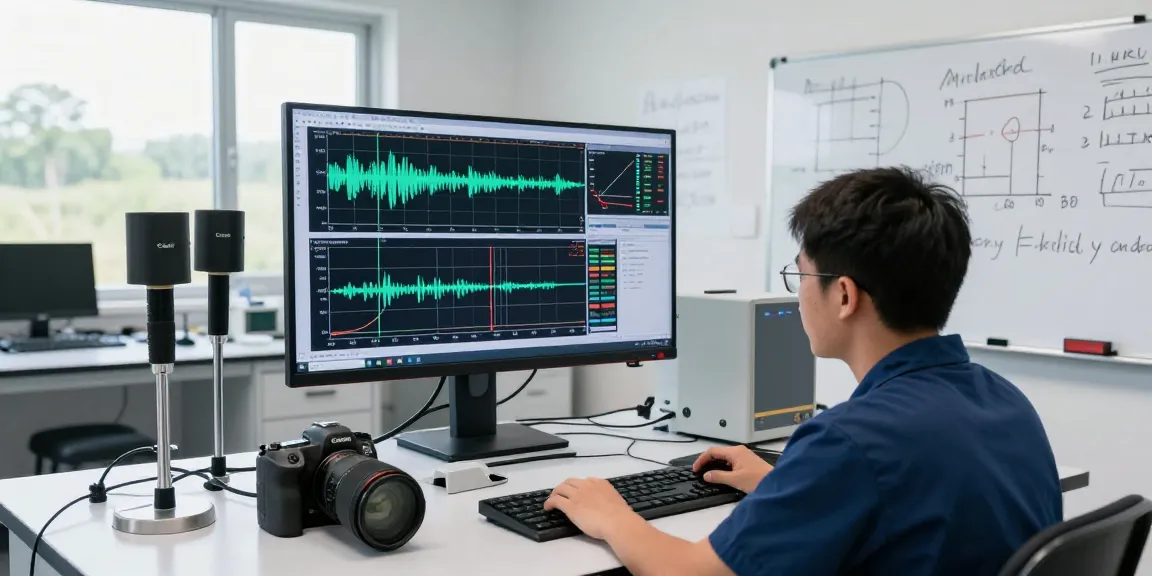
Geophone outputs can be analyzed using various metrics, including amplitude, frequency, and phase shifts. Understanding these metrics is crucial for identifying seismic wave characteristics.
Using Software Tools for Geophone Data Analysis
There are numerous software tools available for geophone data analysis, which can assist in visualizing the results and enhancing data interpretation. Some popular software includes:
- Seismic Unix
- MATLAB
- Python libraries designed for seismic data analysis
Case Studies: Successful Applications of Geophone Data
Real-world applications of geophone data can help illustrate their importance. For instance, multiple projects have successfully utilized geophones to track tectonic movements and assess ground stability in mining operations.
The Future of Geophones in Geophysical Research
As technology evolves, so too does the functionality and application of geophones in geophysical research. Future advancements are likely to enhance their use in various sectors.
Emerging Technologies Enhancing Geophone Capabilities
New materials and technologies, such as MEMS (Micro-Electro-Mechanical Systems), are reshaping how geophones are constructed, affecting their performance characteristics greatly. These innovations can lead to lighter, more sensitive devices that can be deployed in various environments.
Predictions for Geophysical Research Trends in 2026
Looking ahead, we can expect a greater integration of Artificial Intelligence (AI) in data analysis, allowing for faster and more accurate interpretations. Additionally, advancements in IoT (Internet of Things) connectivity will enable real-time monitoring and data transmission, enhancing collaborative seismic research.
How to Stay Ahead in Geophone Technology
Staying informed about industry trends and technological advancements is essential. Engaging in professional networks, attending workshops, and following leading publications can provide valuable insights into emerging geophone technologies.
What are the advantages of using geophones?
Geophones offer several advantages in geophysical studies, including high sensitivity to ground vibrations, versatility in application, and relatively low costs compared to other seismic instruments.
How do geophones differ from accelerometers?
While both instruments measure ground movement, geophones respond to velocity, whereas accelerometers measure acceleration. This fundamental difference influences their applications and data interpretation.
What factors affect geophone performance?
Several factors can impact geophone performance, including environmental conditions, installation quality, and the geophone’s sensitivity and frequency response.
Can geophones be used in urban environments?
Yes, geophones can be deployed in urban settings. However, it may require special considerations to minimize noise pollution and ensure accurate data acquisition amidst other vibrations.
How to maintain geophones for long-term use?
Regular inspection and calibration, proper storage, and protection from environmental factors can significantly extend the life of geophones, ensuring consistent performance over time.. Additionally, resistivity cable provides further details.