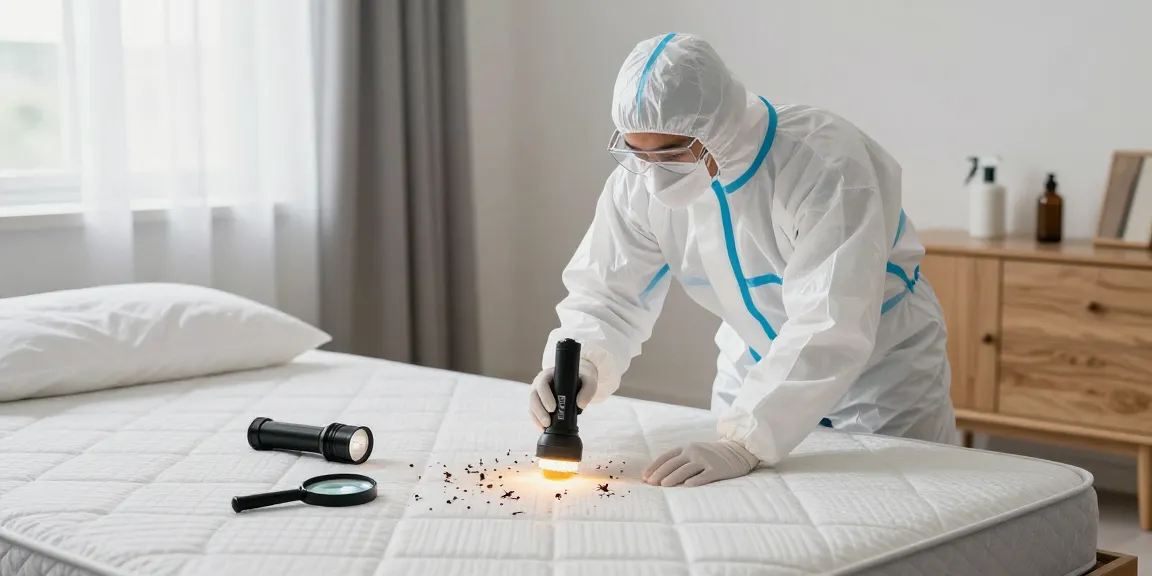
Understanding Bed Bug Infestations
Bed bugs are small yet highly resilient pests that can disrupt your life at home or in your business. Understanding their behavior, life cycle, and signs of infestation is crucial to effective bed bug pest control. These nocturnal insects thrive in environments where they have easy access to their human hosts and can quickly spread if not treated properly. Knowledge about these pests equips you with the necessary tools to combat an infestation effectively.
What are Bed Bugs and How Do They Spread?
Bed bugs, scientifically known as Cimex lectularius, are small, reddish-brown insects that feed on the blood of humans and animals. They are often found in places where people sleep, such as beds, couches, and even in luggage from travel. Bed bugs spread primarily through direct contact; they can effortlessly hitch a ride on clothing, luggage, or used furniture. They can also move between adjacent units in multi-family housing, making them particularly challenging to control.
Signs of a Bed Bug Problem in Your Home
Identifying a bed bug infestation early can save you time, money, and stress. Common signs of a bed bug problem include:
- Itchy red welts on your skin, often in a line or cluster.
- Dark spots on bedding or furniture, which are bed bug droppings.
- Small bloodstains on sheets or pillowcases from crushed bugs.
- Finding shed skins where bed bugs have molted.
The Life Cycle of Bed Bugs: What You Need to Know
Understanding the life cycle of bed bugs is essential for effective control. A bed bug goes through five nymphal stages before reaching adulthood, with each stage requiring a blood meal. Under optimal conditions, bed bugs can mature from egg to adult in as little as five weeks. Adult females can lay up to 500 eggs in their lifetime, making rapid population growth a significant concern.
Effective Bed Bug Pest Control Strategies
With the right strategies, you can effectively tackle a bed bug infestation. Whether you opt for professional services or choose to handle it yourself, understanding the available methods is important for a successful outcome.
Comparing Heat Treatment and Chemical Treatment
Heat treatment is an eco-friendly and efficient solution for eliminating bed bugs. This method raises the temperature in an infested area to a level lethal to bugs, including all life stages from eggs to adults. On the other hand, chemical treatments involve the application of insecticides designed to kill bed bugs upon contact or through ingestion. Both methods have their pros and cons, and a combination of treatments often yields the best results.
Benefits of Professional Pest Control versus DIY Methods
While DIY treatments may seem cost-effective, they often fail to address the root of the infestation. Professional pest control services offer tailored solutions, knowledge of bed bug behavior, and access to high-quality products that are more effective than over-the-counter options. Moreover, professionals can save you time and prevent further infestations.
Choosing the Right Pest Control Solution for Your Needs
Selecting a pest control approach depends on various factors, including the severity of the infestation, your budget, and your long-term goals for pest management. Consulting with experts can help you make informed decisions tailored to your specific situation.
Common Pitfalls in Bed Bug Pest Control
Understanding common mistakes made during bed bug control can guide you towards more effective solutions and prevent future infestations.
Misunderstandings About Bed Bug Behavior
Many people mistakenly believe that bed bugs are only found in dirty homes. In reality, these pests can infest any living space, regardless of cleanliness. They are expert hitchhikers and can be transported in bags, clothing, and other belongings, making them a potential threat to anyone.
Costly Mistakes: Why Skipping Preparation Can Backfire
Proper preparation is crucial for the success of any bed bug treatment. Failing to follow the recommended steps can lead to ineffective control, allowing bed bugs to survive and proliferate. Always follow the guidelines provided by your extermination service to ensure maximum effectiveness.
Ignoring Prevention: Why it Matters
After eradicating bed bugs, it’s essential to take preventive measures to avoid a resurgence. Regular inspections and cleaning habits can significantly reduce the risk of re-infestation. Additionally, sealing cracks and crevices in walls and floors can help keep these pests at bay.
Best Practices for Bed Bug Prevention
Preventing a bed bug infestation is more effective than dealing with one. Implementing routine practices can help you avoid these pests altogether.
Regular Inspections and Monitoring Techniques
Frequent inspections of your living spaces can help catch bed bugs before they become a full-blown infestation. Check your mattress seams, behind headboards, and in dark crevices. Proactive monitoring, especially after traveling or acquiring used furniture, is key to early detection.
Travel Tips to Avoid Bringing Home Bed Bugs
When traveling, inspect hotel rooms for signs of bed bugs before unpacking. Keep your luggage elevated off the floor and away from the bed. Upon returning home, immediately wash and dry your clothes on high heat to kill any potential bed bugs that may have hitchhiked.
How to Educate Your Family About Bed Bugs
Educating your family about the signs and risks associated with bed bugs can empower everyone to be vigilant. Encourage open discussions about prevention measures and what to look for during inspections.
Looking Ahead: The Future of Bed Bug Control
The pest control industry is evolving, with new technologies and methodologies emerging to address bed bug infestations more effectively.
Emerging Technologies in Pest Control for 2026
Innovations such as heat mapping technology and advanced biocontrol methods are being developed to enhance bed bug detection and eradication. These technologies offer the promise of more efficient and environmentally-friendly pest management solutions.
Sustainability in Bed Bug Treatment Options
As environmental concerns grow, pest control solutions are leaning towards sustainability. Eco-friendly products and methods that reduce chemical use, such as steam treatments and heat applications, are becoming increasingly popular.
Expert Predictions for Bed Bug Infestation Trends
Experts predict a rise in bed bug infestations tied to increased travel and urbanization trends. Understanding these patterns can help residents and businesses to prepare and respond more effectively to future infestations.
What should I do if I find bed bugs in my home?
First, confirm the presence of bed bugs by looking for physical signs and bites. Once confirmed, avoid moving your belongings around, as this can spread the infestation. Contact a professional pest control service for an assessment and treatment plan that fits your situation.
Are heat treatments safe for upholstered furniture?
Heat treatments are generally safe for most upholstered furniture. However, it is essential to discuss specific pieces with your pest control provider to ensure they can withstand the required temperatures without damage.
How can I prepare my home for bed bug treatment?
Preparation may include decluttering your home, laundering bedding and clothing, moving furniture away from walls, and ensuring easy access to infested areas. Your exterminator will provide a detailed preparation checklist tailored to your situation.
What are the long-term effects of bed bug treatments?
Effective bed bug treatments can lead to long-lasting relief from infestations. Follow-up inspections and preventive measures are vital in ensuring that bed bugs do not return after treatment.
How to identify if the treatments worked effectively?
Monitor for signs of bed bugs after treatment, including bites, droppings, or live bugs. Many pest control companies offer follow-up visits to ensure the infestation is completely eliminated.