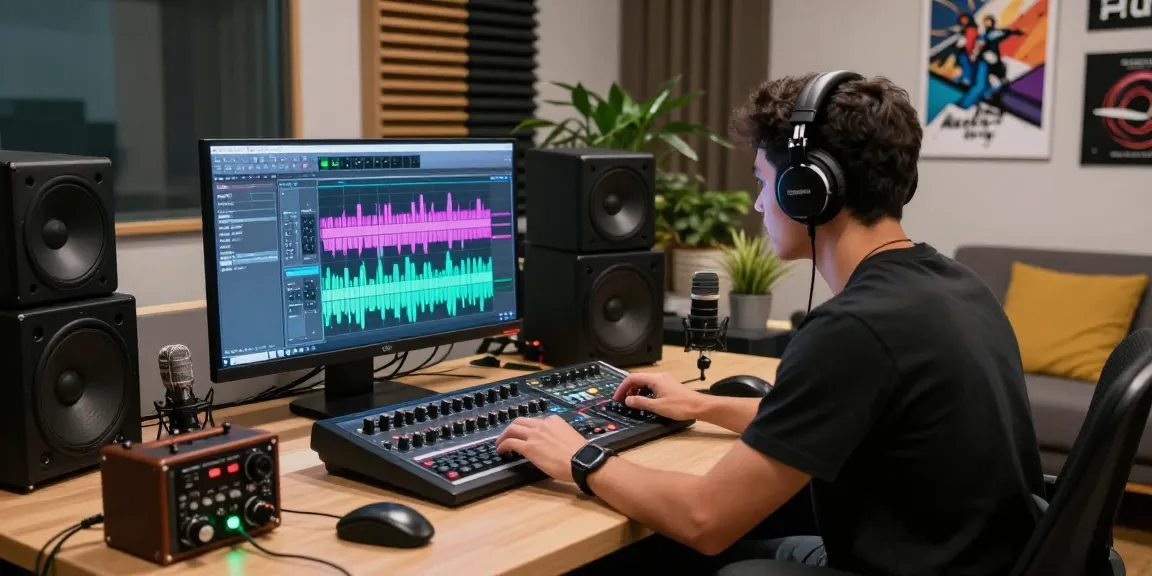
Understanding Sound Design Fundamentals
In today’s digital era, the significance of sound design and audio editing has surged, becoming integral to various media forms. Sound design encompasses the creation, manipulation, and arrangement of audio elements, while audio editing involves refining recorded audio to achieve the desired clarity and impact. Whether you’re crafting a cinematic experience or producing a podcast, understanding these fundamentals is crucial for creating compelling narratives through sound. When exploring options, Sound design and audio editing course offers a comprehensive starting point for aspiring sound designers and content creators.
What is Sound Design?
At its core, sound design is the art and science of creating soundtracks for various forms of media, including films, video games, and theatre. It merges technical skills with artistic vision, allowing sound designers to evoke emotions, create atmospheres, and enhance storytelling. From foley sounds that emulate realistic noises to synthesized audio effects that add depth to a scene, sound design is a multifaceted discipline that requires creativity and precision.
The Importance of Audio Editing
Audio editing is equally vital as it involves refining the raw elements captured during production. This process includes cutting, mixing, and arranging audio tracks to produce a polished final product. Effective audio editing not only improves the overall sound quality but also ensures that the audio aligns seamlessly with visual content. Whether you’re adjusting levels, removing unwanted noises, or adding effects, audio editing is crucial for professional-grade results.
Core Concepts in Sound Manipulation
Understanding core concepts in sound manipulation can greatly enhance your sound design and audio editing skills. Key concepts include:
- Frequency: The pitch of a sound, measured in Hertz (Hz), affects how we perceive audio.
- Amplitude: The loudness of a sound, which can be altered to create dynamic contrasts in your audio projects.
- Waveform: The visual representation of sound, crucial for editing and manipulating audio in digital audio workstations (DAWs).
- Harmonics: The overtones that accompany a fundamental frequency, adding richness and complexity to sounds.
Who Benefits from a Sound Design and Audio Editing Course?
Many individuals can reap the rewards of a sound design and audio editing course, making it a valuable investment in your skillset. Below are some key groups who will benefit:
Beginners Eager to Learn
For those new to the world of sound, a structured course provides an excellent foundation. Beginners will learn essential concepts and hands-on techniques that not only build confidence but also open doors to creative expression through sound design.
Professionals Seeking to Enhance Skills
Established professionals from diverse fields—such as music production, film, or game design—can significantly enhance their skill set through advanced training in sound design and audio editing. Techniques learned can provide fresh perspectives and improve the quality of their projects.
Content Creators and Filmmakers
For content creators, whether on platforms like YouTube or within traditional media outlets, mastering sound design is crucial for engaging audiences. Filmmakers, in particular, understand that effective audio can make or break a scene. An in-depth course equips these creatives with the necessary tools to elevate their work.
Essential Tools for Sound Design
Successful sound design and audio editing require a mix of software and hardware tools. Understanding the available options can help you set up a sound studio that meets your creative needs.
Software Overview: From DAWs to Plugins
Digital Audio Workstations (DAWs) are the backbone of sound design. Popular choices include:
- Adobe Audition: A robust audio editing platform that integrates seamlessly with other Adobe products, ideal for filmmakers and video editors.
- Pro Tools: An industry-standard DAW favored by music producers for its extensive features and capabilities.
- Logic Pro X: A comprehensive audio production software for Mac users, known for its user-friendly interface.
Alongside DAWs, utilizing plugins can enhance audio manipulation. Popular options include iZotope RX for audio repair and Waves plugins for mixing and mastering.
Hardware Essentials for Quality Audio
Investing in quality hardware is equally important. Key components include:
- Microphones: A high-quality microphone can capture audio more accurately, making your recordings sound professional.
- Audio Interfaces: These devices connect microphones and instruments to your computer, converting analog signals to digital.
- Studio Monitors: Quality speakers are essential for accurately hearing your audio mixes.
Setting Up Your Sound Studio
Creating a conducive environment for sound work is key. Consider factors such as:
- Acoustic Treatment: Soundproofing and acoustic panels can dramatically improve recording quality.
- Organized Space: Keeping your workstation tidy helps streamline your workflow.
- Ergonomic Setup: Investing in comfortable furniture ensures longer, productive sessions without strain.
Techniques in Audio Editing
Mastering techniques in audio editing will amplify your projects’ quality. From fundamental practices to advanced methodologies, each technique plays a crucial role.
Editing Basics: Cutting, Trimming, and Mixing
The basic skills of cutting and trimming audio are fundamental for any editor. These techniques allow you to remove unwanted elements and create a cohesive narrative flow. Mixing involves balancing levels and panning different audio tracks to create a rich sound landscape.
Advanced Techniques: Foley and Soundscapes
Foley artists recreate everyday sound effects which are crucial in film production. Learning to create your own soundscapes can drastically enhance the atmosphere of a project, as these ambient sounds fill the sonic environment, making it more immersive.
Using Effects and Filters Effectively
Applying effects such as reverb, echo, and equalization can change how your audio is perceived. Understanding when and how to apply these effects is essential for achieving the desired sound quality and emotional impact.
Emerging Trends in Sound Design for 2026
As technology evolves, so does the landscape of sound design. Staying ahead requires awareness of emerging trends and techniques. Here are some significant trends to watch:
AI in Audio Editing and Sound Creation
Artificial Intelligence is transforming sound design by enabling automated editing and sound generation. Tools powered by AI can assist in everything from noise reduction to style transfers, allowing creators to focus on imaginative aspects rather than mundane tasks.
The Rise of Interactive Soundscapes
With the growth of interactive media and virtual reality, designing soundscapes that respond to user actions is becoming increasingly relevant. Understanding how to create these dynamic audio experiences will be essential for those looking to work in gaming or immersive environments.
Future-proofing Your Skills in an Evolving Industry
As the industry shifts, continuous learning is vital. Engaging in ongoing education and keeping abreast of new technologies and techniques will ensure your skills remain relevant. Seek out workshops and training, such as those offered in specialized courses.
What are the prerequisites for taking a sound design course?
Most sound design and audio editing courses welcome enthusiasts with varying levels of experience. Basic familiarity with audio terminology and DAWs may be beneficial, though many programs are designed to accommodate complete beginners.
Can this course help me land a job in audio production?
Completing a sound design course can significantly boost your employability in the audio production industry. You’ll not only gain hands-on experience but also build a portfolio showcasing your skills, making you more attractive to potential employers.
What software will I learn in the sound design course?
Courses generally cover industry-standard software such as Adobe Audition, Pro Tools, and various audio editing plugins. Familiarity with these tools is essential for modern audio production roles.
Are there any hands-on projects in the course?
Most reputable courses include practical assignments where you can apply the skills learned. These projects may involve creating original soundtracks, editing existing audio, or developing soundscapes for different media.
What career paths can I pursue after completing this course?
Graduates of sound design and audio editing courses can explore various career paths, including sound designer, audio engineer, music producer, foley artist, and more. Each role offers unique challenges and opportunities in the ever-evolving media landscape.