Understanding the Importance of Energy-Efficient Doors
In the modern era of home improvement, energy-efficient doors have become a vital component, not just for aesthetic appeal but also for enhancing energy efficiency. As homeowners strive to optimize their living spaces for comfort and sustainability, upgrading to energy-efficient doors offers numerous benefits that go beyond mere appearance. For those looking to dive deeper into this subject, learn more about how these doors can transform your home while reducing energy costs.
Why Choose Energy Efficiency?
Choosing energy-efficient doors is more than just a trendy choice; it’s a smart investment for the long-term sustainability of your home. These doors are designed to minimize heat loss during colder months and keep the heat out during the summer, leading to significant energy savings. By sealing leaks and providing superior insulation, energy-efficient doors contribute directly to lowering your utility bills.
Key Benefits of Upgrading Your Doors
- Cost Savings: Lower energy bills mean more money in your pocket.
- Increased Comfort: Maintaining a consistent indoor temperature enhances your overall comfort.
- Enhanced Curb Appeal: Modern energy-efficient doors come in various styles that can improve your home’s exterior.
- Environmental Impact: Reducing energy consumption helps in lowering your carbon footprint.
Common Misconceptions about Energy-Efficient Doors
Despite their growing popularity, several misconceptions about energy-efficient doors persist. One common belief is that they are significantly more expensive than traditional doors. While the initial investment may be higher, the long-term savings from reduced energy bills often outweigh this initial cost. Additionally, many households believe that energy-efficient doors are limited in style and design options, when, in fact, they come in a wide array of designs and materials to fit every home aesthetic.
Identifying the Right Type of Door for Your Home
Different Styles of Energy-Efficient Doors
When selecting energy-efficient doors, it’s essential to consider various styles to find the perfect fit for your home. Common types include entry doors, patio doors, and storm doors, each offering unique features. Entry doors can enhance security and insulation, while patio doors provide accessibility and natural light. Assessing your needs and environment will guide you in choosing the right style.
Material Choices and Their Benefits
Energy-efficient doors come in a variety of materials, each with distinct advantages:
- Fiberglass: Offers excellent insulation and durability, resistant to warping.
- Steel: Provides superior security and insulation, often with a foam core.
- Wood: A classic choice that offers natural beauty but requires more maintenance.
- Vinyl: Low-maintenance and resistant to fading, offering good insulation properties.
Assessing Your Home’s Design and Architecture
Your home’s design plays a significant role in selecting the appropriate door. For instance, modern homes may benefit from sleek, minimalist designs, while traditional homes might require classic styles with intricate details. Always consider how the door will complement the existing architectural features for a cohesive appearance.
Preparing for Door Installation: What You Need to Know
Essential Tools and Materials for Installation
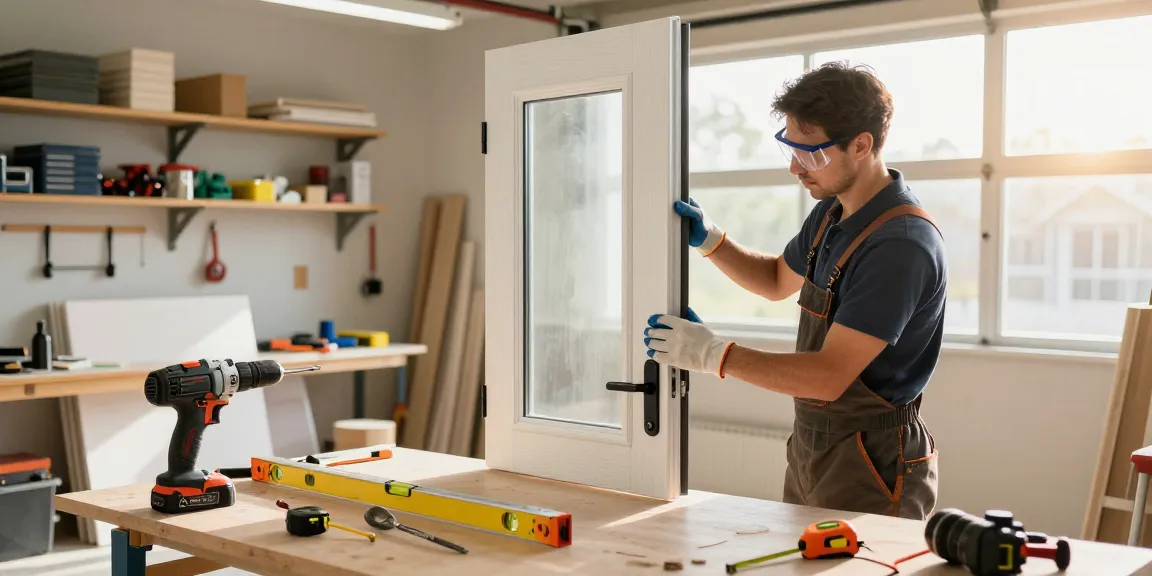
Before embarking on your door installation journey, gather the necessary tools and materials. Essential tools include a tape measure, level, screwdriver, hammer, and utility knife. Additionally, having a drill and a chisel on hand can streamline the process. Ensure you have door hinges, weather stripping, and insulation ready for installation.
Preparing Your Entrance for Installation
To ensure a smooth installation process, clear the area around the door. Remove any old doors, trim, and obstacles in the vicinity. If replacing an existing door, inspect the frame for damage and make necessary repairs. Proper preparation can significantly reduce complications during installation.
Hiring Professionals vs. DIY Approach
While some homeowners may opt for the DIY route, hiring professionals can guarantee a higher quality installation. Professionals possess the necessary skills and experience to handle unexpected issues that may arise during the installation. However, if you have the right tools and experience, DIY can be a rewarding undertaking.
Step-by-Step Guide to Installing Your New Door
Measuring and Cutting: Getting It Right
Accurate measurements are critical to a successful door installation. Measure the width and height of the door frame and ensure you account for any irregularities. When cutting the door to size, use a fine-toothed saw for a clean edge, and always double-check your measurements.
Installation Techniques for Different Door Types
Each door type may require a specific installation technique. For instance, entry doors typically involve installing a frame that allows for proper insulation, while sliding patio doors might require tracks for seamless operation. Follow the manufacturer’s instructions carefully to ensure proper installation.
Final Adjustments and Weatherproofing
After installing your door, make final adjustments to ensure it opens and closes smoothly. Pay attention to the alignment and fitment. Applying weatherproofing techniques, such as caulking around the edges and installing weather stripping, enhances the door’s energy efficiency, creating a better seal against drafts.
Maintaining Your Energy-Efficient Door
Routine Maintenance Tasks for Longevity
Maintaining your energy-efficient door is crucial for maximizing its lifespan. Regularly check for any signs of wear, such as loose hinges or gaps in the seals, and adjust or replace components as necessary. Simple tasks like cleaning the door and lubricating moving parts can help keep it functioning well.
Identifying and Repairing Common Issues
Common issues with energy-efficient doors include drafts, squeaking, or difficulty opening and closing. Drafts can often be remedied with weather stripping, while squeaking may require lubrication. If the door is misaligned, simple adjustments to the hinges or frame might be needed. Identifying these problems early can prevent more significant issues down the road.
When to Consider a Replacement
It’s essential to know when your energy-efficient door may need replacing. If you notice significant wear, persistent drafts, or damage beyond repair, it’s time to consider investing in a new door. Keep an eye on your door’s performance, particularly during extreme weather conditions, to assess its condition.
What are the benefits of energy-efficient doors?
Energy-efficient doors help maintain a comfortable indoor temperature, reduce energy bills, and enhance the home’s overall value and aesthetics.
How long does door installation usually take?
Typically, door installation can take anywhere from a few hours to a full day, depending on the complexity of the installation and whether it’s a DIY project or handled by professionals.
Can I install the door myself?
Yes, if you possess the right tools and skills, you can successfully install a door yourself. However, professional installation is recommended for optimal results.
What should I look for when buying a new door?
Consider the door’s material, insulation properties, energy ratings, and style that fits your home’s design when purchasing a new door.
How do I maintain my energy-efficient door?
Routine maintenance includes regular inspections, cleaning, lubrication of moving parts, and checking for any drafts or wear.